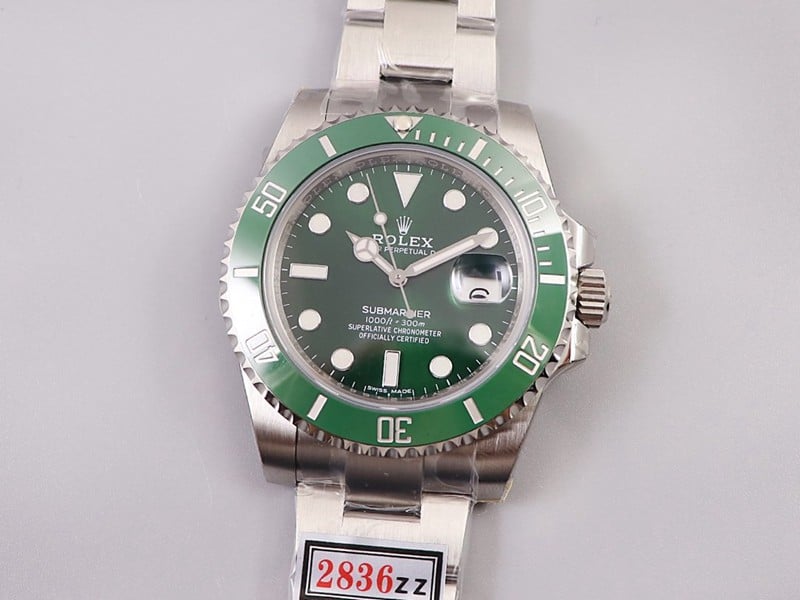
There are different levels of waterproof testing for waterproof watches, waterproof watches are further divided into two kinds of watches, anti-watch and dive watch, anti-watch can ensure that it is placed on the watch suction will not be damaged, in swimming or diving, it can ensure that the dive will not be damaged, different specifications of the watch was placed in different underwater pressure position test. Depending on the performance of the waterproof watch, the test time will be different.
How do I check my waterproof meter?
How to test the water resistance of a watch, here are some ways to test the water resistance of a watch.
I. Variable water temperature resistance test:
First, put the watch in water about 10 centimeters deep, plus a temperature of 40 degrees. After five minutes, put it into water 20 degrees. After five minutes, put it into water 40 degrees again. After five minutes, observe for leaks in the dial and case due to the change in water temperature.
II. Condensation test
The watch is placed on a heating plate at a temperature of about 40-50 degrees until the watch itself is at the same temperature as the plate (usually 10 to 20 minutes of heating). Then, little by little, bond with the watch at 18-25 degrees. After about a minute, dry it with a dry cloth. If the watch is foggy, it means that there is a leak in the watch. The water resistance of the watch in contrast is not a problem for the time being.
Water pressure resistance test method:
Place the table in a container of water, preferably in a large bucket. This bucket must be filled with water. Place the watch at the bottom of the bucket and after 10 minutes bring the watch to the table to see if there are any leaks in the watch.
What are the waterproof ratings?
The lowest level of waterproofness in the watch is indicated only as "waterproof", which is splash-proof but not submersible. The higher the level, the most commonly used marking method is waterproof 50 meters, indicating that the depth of the watch is suitable for swimming; the higher the level, the deeper the diving depth of 100 meters, indicating that the depth of the watch is 50 meters; followed by waterproof 200 meters, suitable for recreational diving using a diving rebreather; and then down to 1,000 meters deep. The last level of watch can be used for deep-sea diving, says Peter Purtschert, technical director of Breitling in the United States, and is made from a gasket capable of withstanding helium in a diver's decompression chamber. Some watches are fitted with valves that the wearer can use to release the helium seeping out of the watch, so their cases don't explode when the case and diver adjust to normal atmospheric pressure. Water resistance depths and meter ratings are theoretical values only. The depth of water refers to the depth to which a watch is water-resistant when neither the surface of the water nor the surface of the water is moving. This does not exist in the real world of swimming and diving. In fact, being in the water with one arm of the watch would greatly increase the pressure of the water, and therefore the theoretical depths indicated by laboratory instruments could not be reached. At the hydrodynamic level, ATM stands for "Atmospheric Pressure" and corresponds to a water depth of 10 meters. Another term for atmospheric pressure is bar, usually used in Europe. Resistance to water does not last long depending on a number of factors, some of which are affected by wear and tear and time. Seals may corrode and deform, the case may be damaged, or the crystal glass may loosen or break. Therefore, watches, like cars and teeth, need preventive care and maintenance. How do you make a watch waterproof? A watch is water resistant. The most important is the gasket, or O-ring, which is made of rubber, nylon or fluorinated aluminum. It forms a waterproof seal where the crystal glass, caseback, crown and case join. In the case of a chronograph, its thrusters are also equipped with gaskets. In addition, the water-resistant case is lined with a sealing layer that prevents water seepage (rapid hardening of liquids). The thickness of the case and the choice of material determines whether the watch can be worn safely underwater and is therefore an important factor. Replacing a press-fit caseback with a strip of top-tight caseback can be equally water-resistant. Many dive watches have threaded cases to prevent water from penetrating the rotating hole. The tightened cap creates a kind of waterproof closure, like between the cap and the bottle.
how to test water resistance of a watch at home
difference between waterproof watch and dive watch
how do I check my waterproof watch meter
variable water temperature resistance test watch
why do dive watches get tested underwater at different pressures
how deep can you test a watch in water before it leaks
water resistance test 10 centimeters deep watch
watch water resistance test 40 degrees temperature
how to check if watch seal is still waterproof
dive watch pressure test explained
what does water resistance rating actually mean on watches
anti-splash watch vs dive watch waterproofing
how long should a waterproof watch test take
watch temperature change water test 20 degrees
how watch companies test water resistance levels
can I swim with a water resistant watch
how to know if your watch is still water resistant
watch water pressure test underwater specifications
dive watch water resistance testing standards
how often should you test watch water resistance
signs your waterproof watch seal is broken
watch water resistance test methods explained
how to test watch waterproofing without damaging it
underwater pressure test for different watch specifications
how to tell if watch water resistance failed
Waterproof Watches, Dive Watch, Water Resistance Test, Underwater Pressure Test, Condensation Test, Variable Water Temperature, Watch Case, Dial Leaks, Waterproof Meter, Watch Encyclopedia