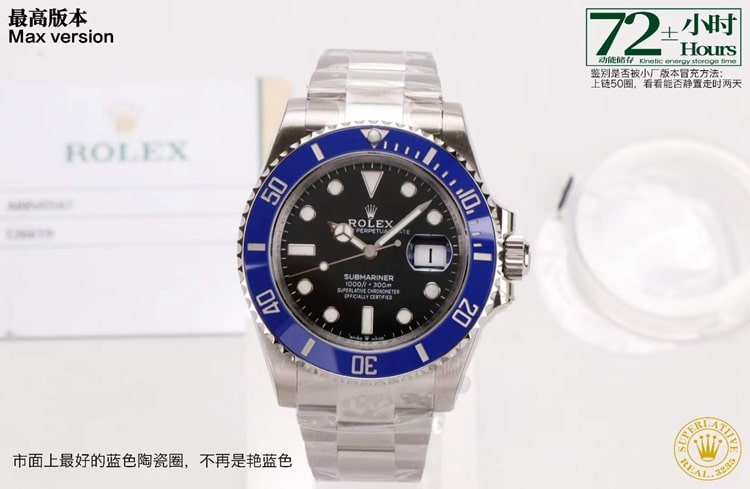
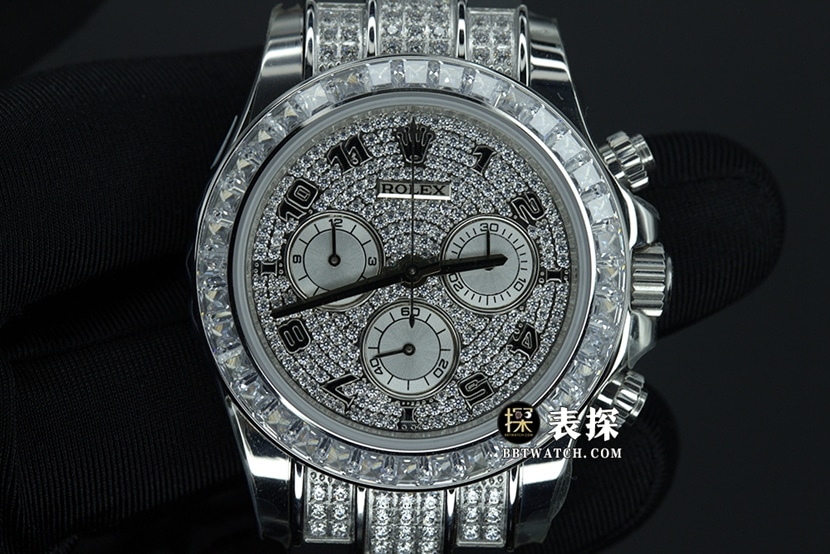
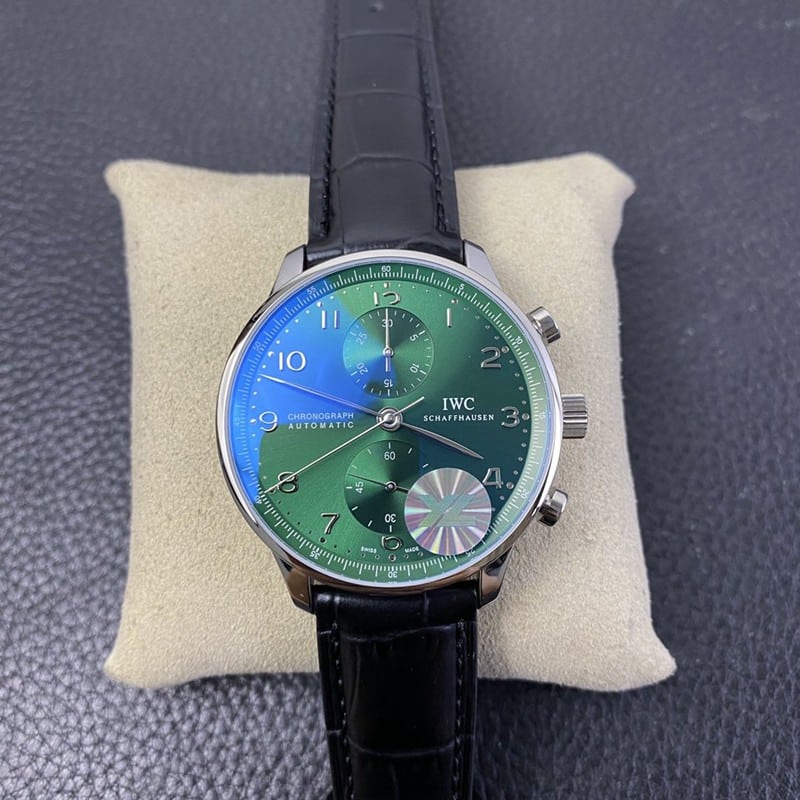
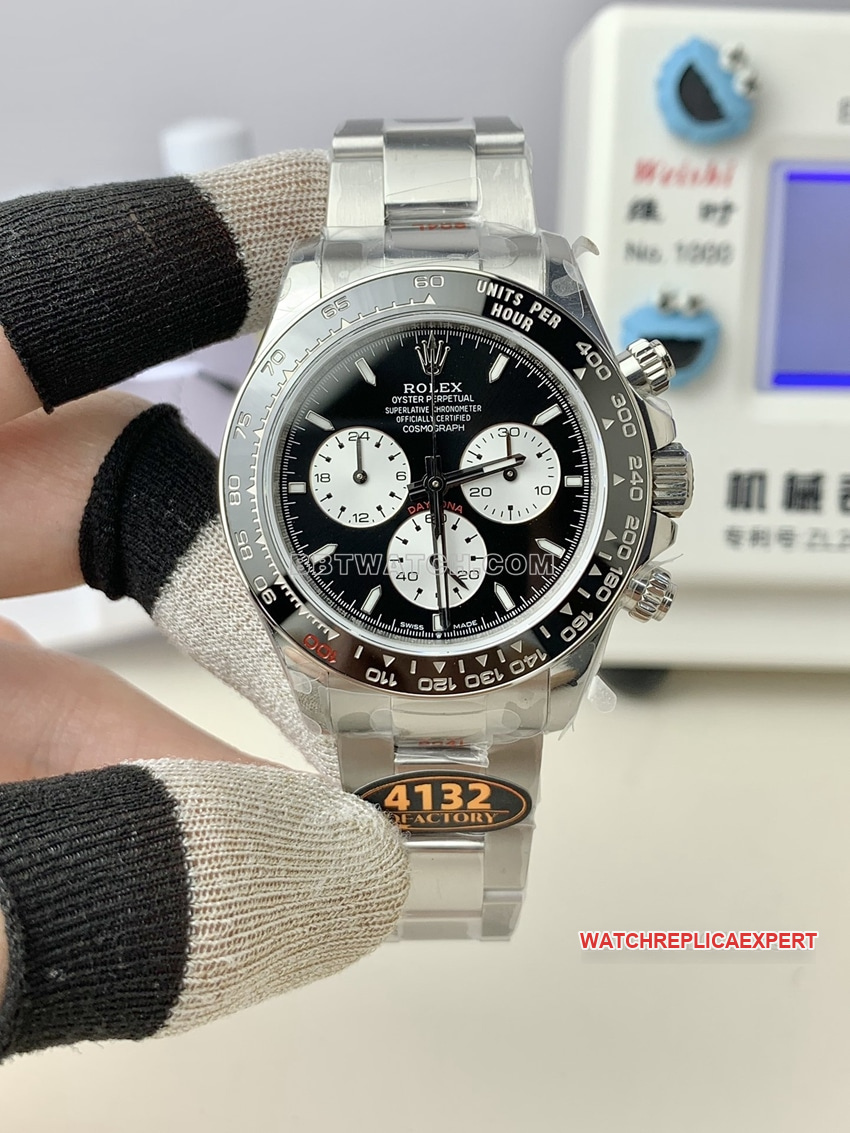
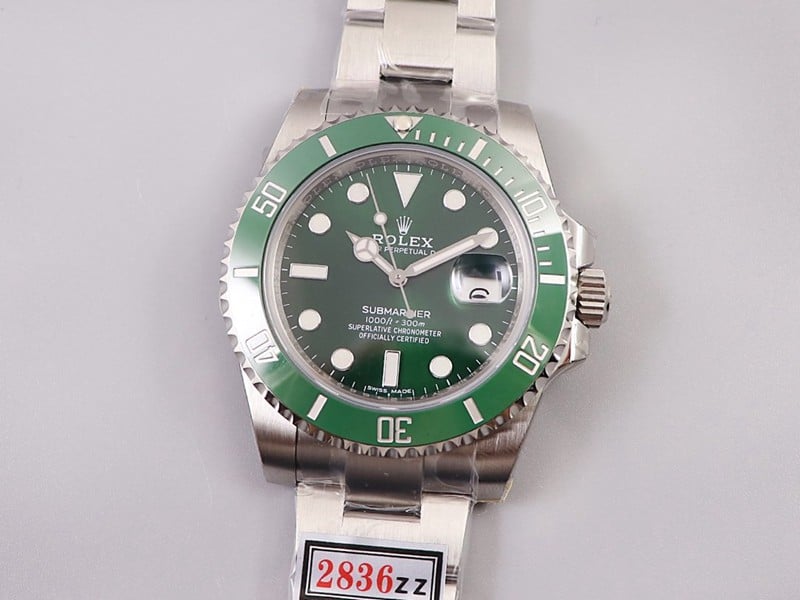
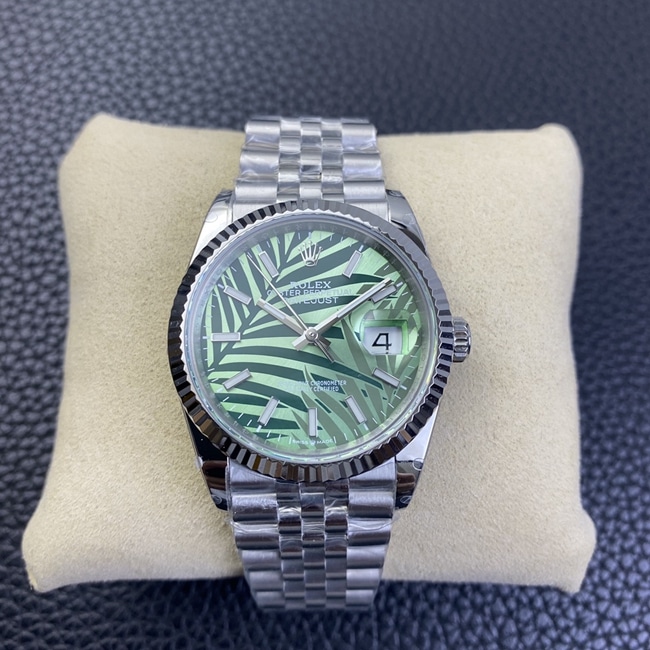
If watch friends want to understand Tudor, they must first understand the positioning of Tudor watches. The Rolex Group positions its brand Tudor as a people-friendly and durable watch, which can also be said to be a "people's Rolex." Tudor's original styles were basically designed according to the feel of Rolex, and then used ETA's universal movement on the movement. Until 2009, Rolex decided to transform Tudor and constantly inject new elements into new watches. Typical examples are the Biwan series and Qicheng series. By 2015, Tudor launched its first self-produced movement-MT 56 series. Let’s focus on this self-produced movement.
1) Advantages of Tudor’s self-produced movements
If Tudor launches its own movement, it will definitely learn from Rolex's 3 series movement design. This is inevitable. After all, there is ready-made technology. The structure of the open movement MT 56 movement is very similar to that of the 3135, and it also has a bridge-protected balance wheel. There is a two-piece cover under the balance wheel. This design is also for the overall stability of the movement and helps to stabilize the movement.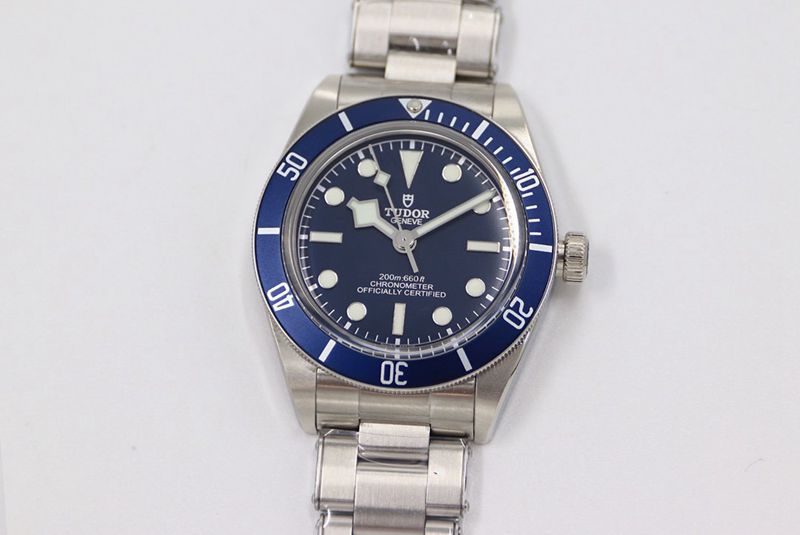
When we disassemble the balance spring, we can see that this is the classic Rolex bridge guard. The silicon single-layer hairspring can resist the influence of magnetic fields and temperature differences. The only difference between the shock absorber and Rolex's is that the Incabloc shock absorber is not Rolex's KIF. After all, MT56 is a new movement. It is superior to the 3135 movement in some configurations, such as the bearing-type automatic rotor. The advantage is that it is not prone to swinging and has lower wear after long-term use. The independent movement of the main rudder has also been improved in terms of kinetic energy storage, and has a 70-hour kinetic energy storage, which is also the current main flow storage of the movement.
2) Disadvantages of Tudor’s self-produced movement
First of all, Tudor is positioned as a people-friendly model, so the polishing and polishing of the movement is basically a matte sandblasting process. It is not polished and looks slightly rough. In addition, the overall design of Tudor's movement is relatively thick. The MT56 also experienced repairs in the early stage, but this is understandable. Early failure repairs are the only way for independent movements. After later improvements, Tudor’s independent movements are generally relatively stable.
Summary of tips: Tudor has inherited the tradition of Rolex in terms of quality control, and has a relatively low failure rate. The upgrade of its own movement has brought Tudor super competitiveness, allowing the brand to compete with Omega and Breitling in the market. What do you think of Tudor? Please leave a message to share.
Tudor people’s Rolex meaning
Why did Tudor use ETA movements
Tudor transformation started in 2009
Tudor Biwan series history
When did Tudor launch MT56
Tudor first self-produced movement 2015
Tudor MT56 movement explained
Advantages of Tudor self-produced movements
Tudor MT56 versus ETA movement
Rolex Group positioning of Tudor watches
Tudor original watches Rolex styling
Tudor durable watch history
How Tudor changed after 2009
Tudor Biwan series movement
Tudor Qicheng series history
Is Tudor MT56 an in-house movement
Tudor movement development timeline
Why Tudor created its own movement
Tudor ETA movement history
Tudor MT56 Rolex design influence
Tudor self-produced movement technology
Tudor watch movement before 2015
Tudor people-friendly watch positioning
Tudor Rolex relationship explained
Tudor MT56 series history
Tudor Watches, People’s Rolex, Rolex Group, ETA Movement, Self-Produced Movement, MT56 Movement, Movement, Biwan Series, Qicheng Series, Bridge-Protected Balance Wheel