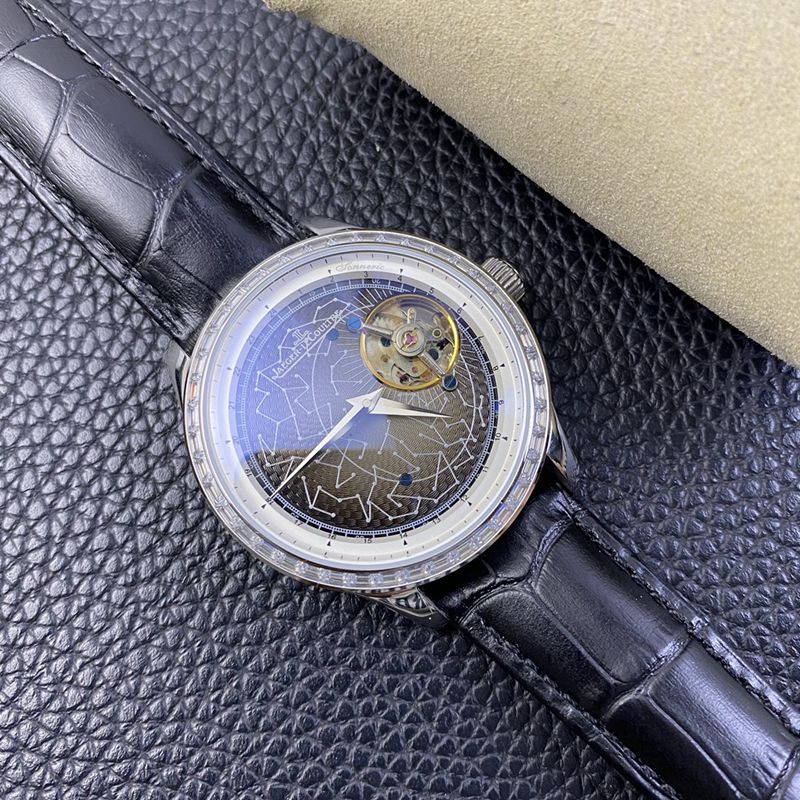
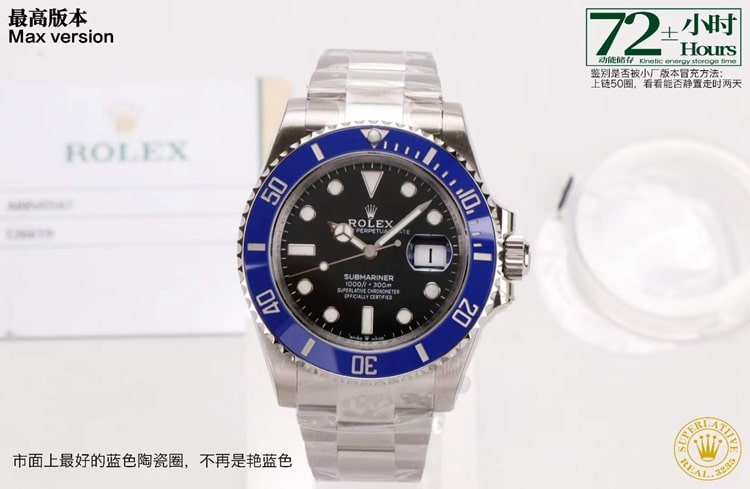
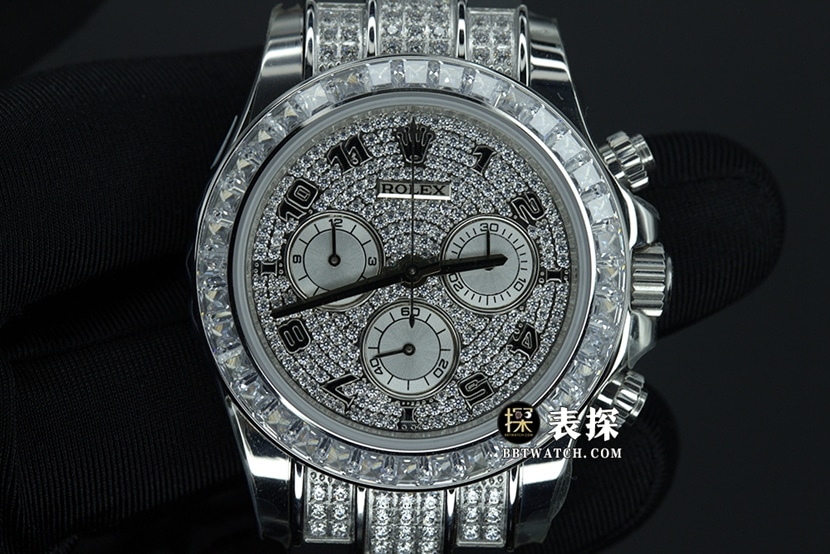
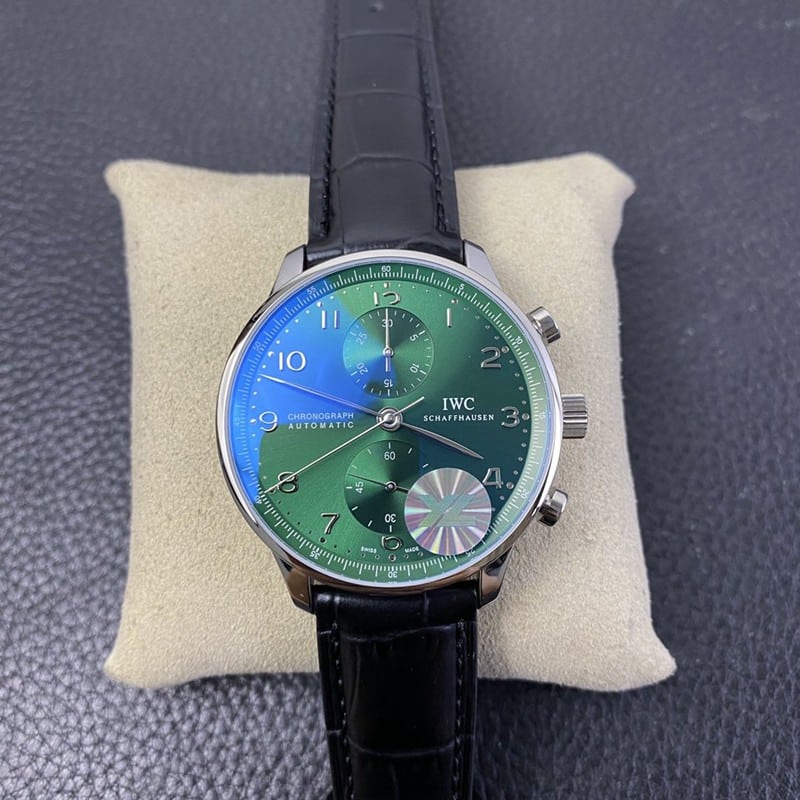
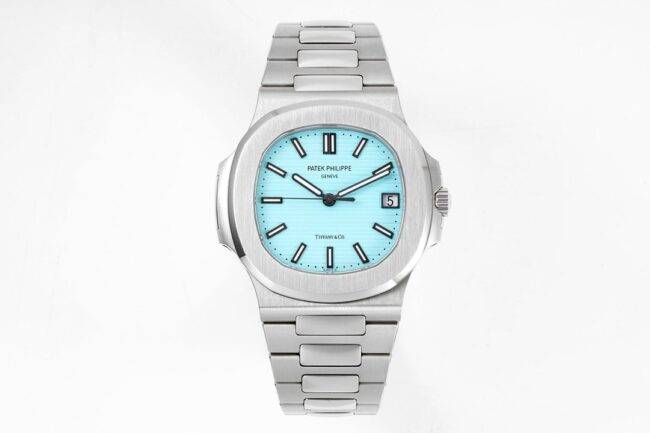
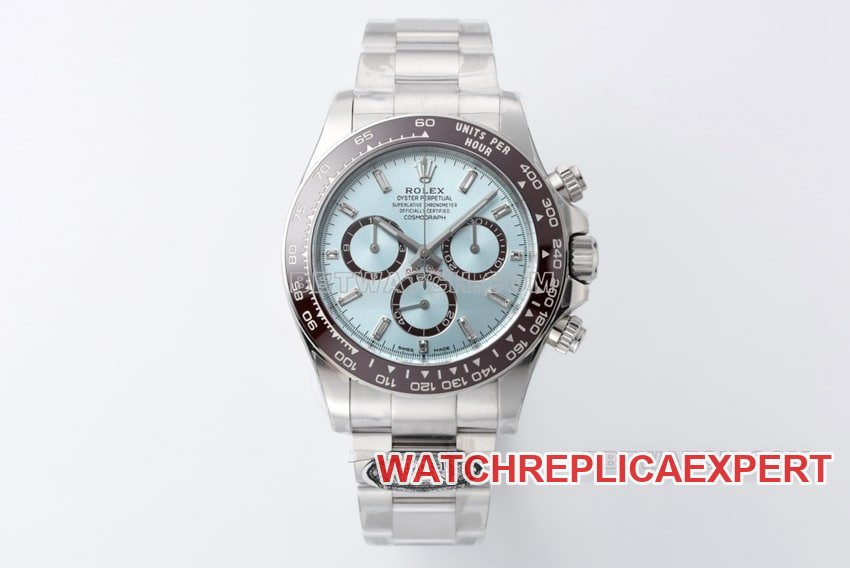
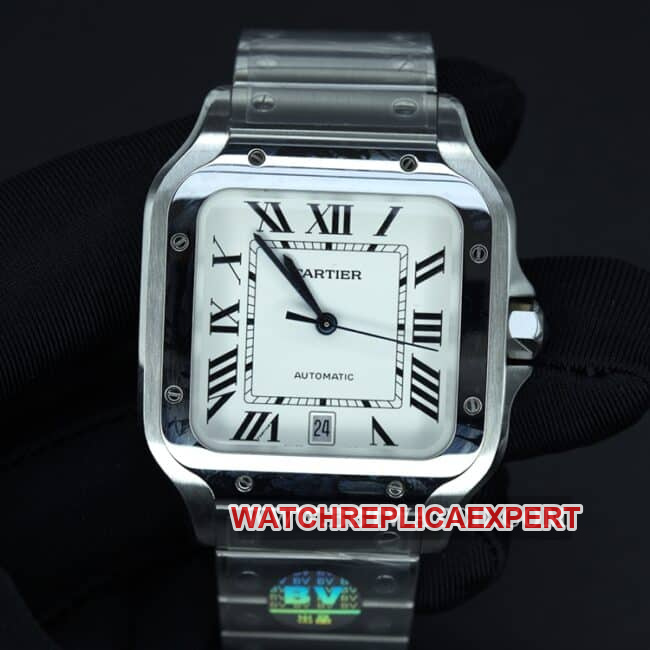
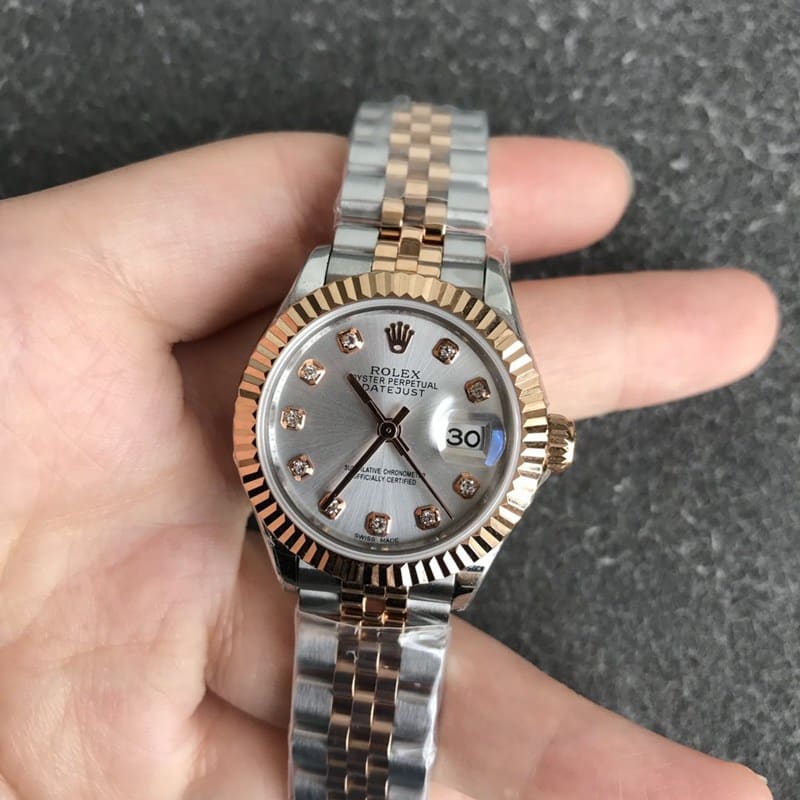
Our watches are valuable, so we wear them with great caution in daily life. However, this does not completely protect it from any "damage", such as bumps, scratches from hard objects, corrosion...
Of course, after being damaged, should our watches be modified or innovated? This will be a very difficult choice. The Internet is full of stories about how watches have been transformed through secondary processing and innovation, but are these examples suitable for any watch? Today we will help us clarify this issue from multiple perspectives. Should your old watch be refurbished?
Should the case be corrected and polished?
This modification has always been very controversial in the industry. Many watch enthusiasts believe that watches should carefully choose to innovate by grinding off the metal surface layer, because once the watch is polished by the case, it is likely to depreciate. In fact, with the exception of Rolex’s Oyster Sport steel watches, most watches will have a serious impact on their second-hand price after being polished or filled. For some older and collectible old watches, collectors or enthusiasts prefer watches in their original unpolished condition, so watches that have not gone through this process are more valuable. Our advice is to avoid polishing and modifying the appearance as much as possible.
Of course, if you never plan to sell your watch and prefer to wear a watch with an outstanding appearance, you can also undergo polishing repairs. However, you need to know that the skill of the corrector and the equipment conditions he possesses are very important. Poor correction will destroy your favorite watch, but a good corrector will achieve your expectations. As a reminder, a skilled watch repairman does not necessarily mean a good watch innovator. We are looking for experts in this field.
Replacing the watch mirror
Some people believe that the original crystal of the watch should be kept original no matter what, thinking that random replacement will reduce the value of the watch. For example, after Rolex officially replaced the watch lens in the early days, the crown mark at 6 o'clock on the lens will have an additional "∽" to distinguish it.
If the original watch mirror can be used normally, of course keeping the original watch mirror is the best choice. However, the watch mirror is the first line of defense against the intrusion of moisture and liquid. If the watch mirror is cracked or broken, it should be replaced. This can protect the dial, hands and movement from damage. If the watch mirror is cracked or damaged, it may lead to the intrusion of moisture and dirt, and in some cases may even cause irreparable losses. When replacing the watch mirror, it is best to replace the original watch mirror, so that the processing quality of the watch mirror can ensure that the life of the watch will not be affected.
Some watch mirrors have a small crack, which will not even affect the water splash during daily wear. However, if the pressure of diving watches such as the Omega Seamaster 300 and Rolex Submariner increases sharply after entering the water, water will directly seep into the watch mirror.
movement
Failure of movement parts will directly affect the function of the watch. Generally speaking, replacing original parts will not have a big impact on the overall value of the watch (pay attention to whether the traces left during disassembly and assembly are obvious, including the size of the warped edge of the nut groove). If the original parts have stopped production or are unavailable, you can make them by hand or find replacement parts with exactly the same specifications. The price will be affected by the criticality of the parts. These damaged parts must be replaced in time, otherwise it may cause further damage to the movement.
old watch restoration after accidental bumps
watch refurbishment for case scratches
can corrosion damage an old watch case
how much metal does watch polishing remove
should a valuable watch retain scratches
watch case correction versus polishing
is polishing bad for an old watch
restore an old watch after corrosion damage
old watch case refinishing risks
why enthusiasts avoid polished watch cases
can a scratched watch case be restored
does case polishing change watch shape
when should an old watch be refurbished
restore a watch after hard object scratches
how to assess watch damage before polishing
should an old watch be modified
old watch modification versus restoration
what happens when an old watch is polished
corrosion removal from an old watch case
should valuable watches be polished