Cartier is a name synonymous with luxury and innovation in watchmaking. Founded in 1847 by Louis-François Cartier in Paris, the brand quickly established itself as a purveyor of fine jewelry and timepieces to royalty and the elite. Over the decades, Cartier introduced iconic models such as the Santos and Tank, which revolutionized watch design and remain highly sought after by collectors today. This article delves into the evolution of Cartier watches, exploring key models, historical milestones, and the brand's enduring legacy in the world of horology.
Early Beginnings and the Birth of the Santos
Louis-François Cartier founded his workshop in Paris in 1847, but it was his grandsons—Louis, Pierre, and Jacques—who expanded the brand globally in the early 20th century. In 1904, Louis Cartier created the Santos de Cartier for Brazilian aviator Alberto Santos-Dumont, who needed a watch he could read while flying. This was one of the first purpose-built wristwatches, featuring a square case and exposed screws, and it marked a shift from pocket watches to wristwatches for men. The Santos was later commercialized in 1911 and became a symbol of modernity and progress.
The Tank: A Design Icon
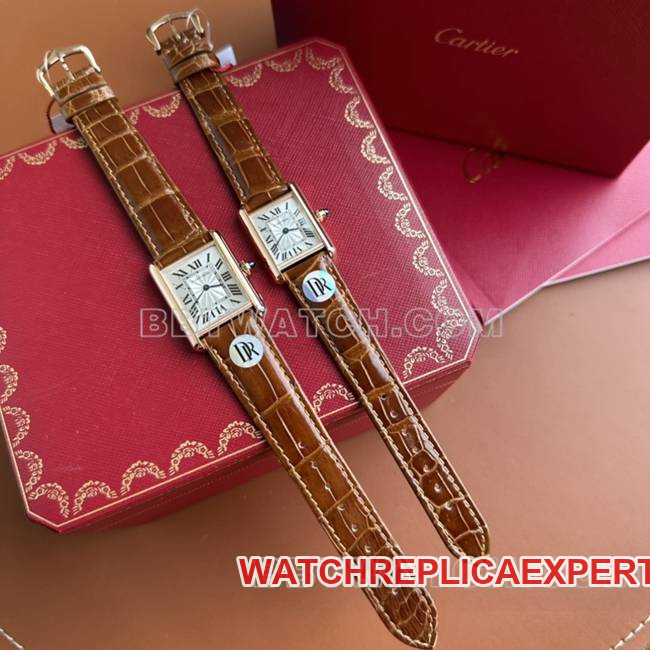
In 1917, Louis Cartier designed the Tank, inspired by the Renault tanks he saw on the Western Front during World War I. Its rectangular case with brancards (the vertical bars on the sides) and clean lines made it an instant classic. The Tank has been reinterpreted in numerous variations, including the Tank Louis Cartier, Tank Française, and Tank Américaine, each with subtle design differences. The Tank's timeless elegance has attracted celebrities and collectors alike, from Andy Warhol to Princess Diana.
The Era of Cartier Paris, London, and New York
During the mid-20th century, Cartier operated as three separate entities in Paris, London, and New York, each producing distinct designs. The London branch, for example, created the Crash watch in the 1960s, a surrealist take on the Tank with a distorted case. The New York branch introduced models like the Tank Must and the Santos Galbée. These regional variations are now highly collectible due to their unique aesthetics and limited production. In the 1970s, Cartier consolidated its operations, and the brand entered a new era under the Richemont Group in the 1980s.
Modern Resurgence and Collector Appeal
In recent years, Cartier has experienced a resurgence among watch collectors, driven by a renewed appreciation for its design heritage and mechanical innovation. Models like the Santos-Dumont and Tank Cintrée have gained a cult following, while vintage pieces from the Cartier Paris, London, and New York eras fetch high prices at auction. The brand's commitment to in-house movements, such as the Calibre 1847 MC, further solidifies its position in haute horlogerie. Cartier's ability to blend artistry with functionality ensures its continued relevance in the competitive luxury watch market.
Key Models for Collectors
- Santos de Cartier: The first modern wristwatch, with a square case and exposed screws.
- Tank Louis Cartier: A refined rectangular watch with brancards and a timeless design.
- Tank Française: A sportier version with a curved case and integrated bracelet.
- Crash: A surrealist watch from the London era, highly sought after for its unique shape.
- Panthère de Cartier: A jewelry watch with a flexible bracelet, popular in the 1980s and revived recently.
Collecting Cartier Watches
When collecting Cartier watches, consider factors such as provenance, condition, and originality. Vintage pieces from the Cartier Paris, London, and New York eras are particularly desirable, but be wary of fakes and aftermarket modifications. Mechanical movements are generally more collectible than quartz, though some quartz models have their own niche. Documentation, including original boxes and papers, adds value. Regular servicing by Cartier or a reputable watchmaker is essential to maintain functionality and preserve value. As with any luxury watch, buy from trusted sources and do your research.
Conclusion
Cartier's journey from a Parisian jewelry workshop to a global watchmaking powerhouse is a testament to its innovative spirit and design excellence. The Santos and Tank, along with other iconic models, have left an indelible mark on horological history. For collectors, Cartier offers a rich tapestry of styles and eras to explore, making it a rewarding pursuit. Whether you're drawn to the vintage charm of a London Crash or the modern sophistication of a Santos-Dumont, Cartier watches represent a blend of artistry and engineering that continues to captivate enthusiasts worldwide.




Cartier watches history
Santos de Cartier origins
Tank watch design
Cartier Paris London New York
collecting Cartier watches
What is the history of Cartier watches?
Why is the Cartier Santos so important?
What makes the Cartier Tank a timeless design?
What are the differences between Cartier Paris, London, and New York?
Which Cartier models are most collectible?
How can I identify a vintage Cartier watch?
Are Cartier watches a good investment?
What is the Cartier Crash and why is it so valuable?
How often should a Cartier watch be serviced?
What movements are used in Cartier watches?