The year 2026 has begun with remarkable momentum in the world of horology. Within the first two weeks, several major brands have unveiled new timepieces that set the tone for the months ahead. From Seiko's 145th-anniversary celebrations to Omega's revival of the reverse-panda dial, these early releases offer valuable insights into the industry's direction. In this article, we analyze these novelties and what they signal for the rest of the year.
Seiko’s 145th Anniversary: A Nod to Heritage
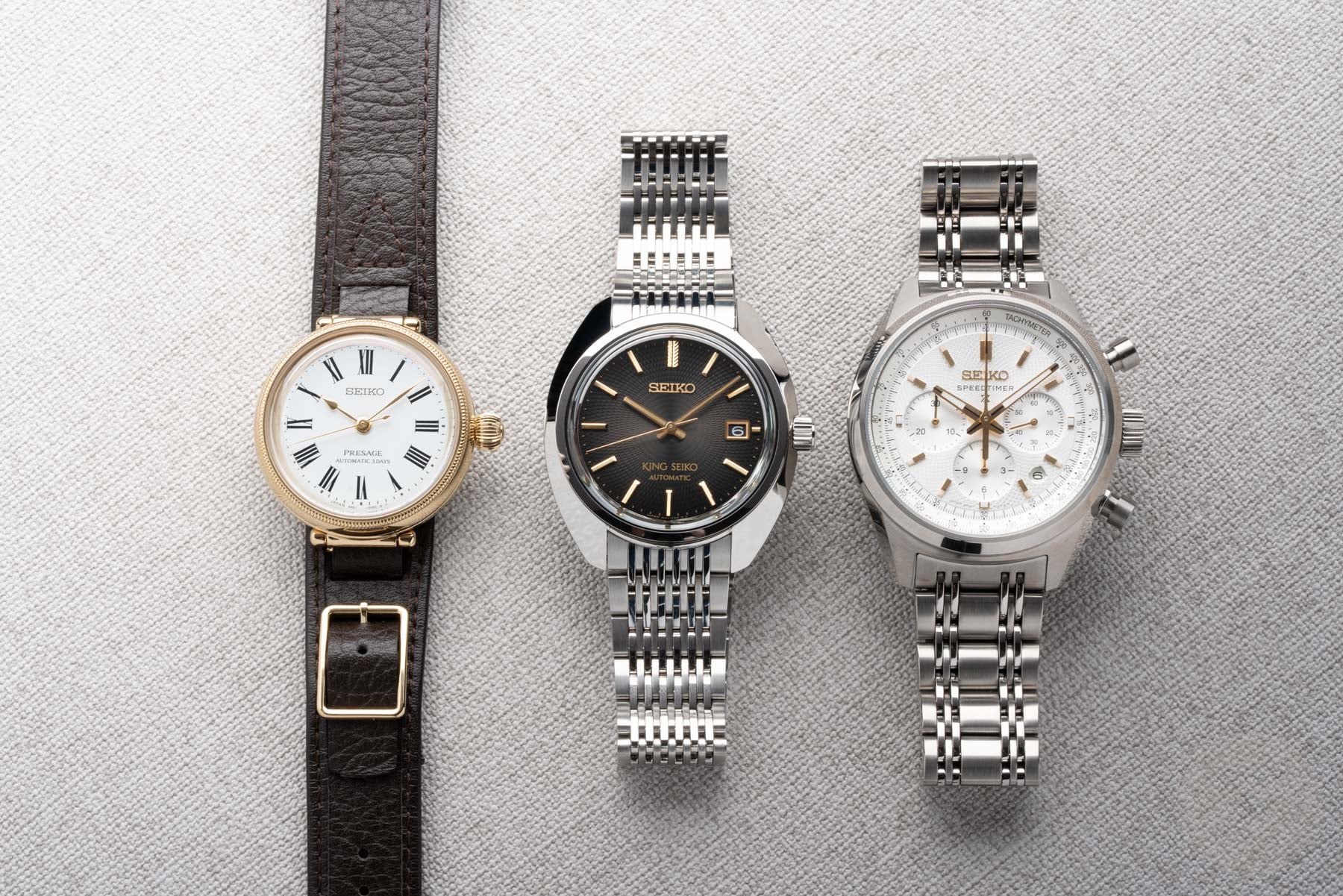
Seiko kicked off its 145th anniversary with a series of new models, including four limited editions and a Presage model featuring a tonneau case. The tonneau shape, a classic design from the early 20th century, marks a deliberate return to vintage aesthetics. This move aligns with a broader trend among Japanese manufacturers to draw on their rich history while appealing to collectors who appreciate heritage-inspired designs.
The anniversary collection also demonstrates Seiko's commitment to offering a wide range of price points. By blending high-end limited editions with more accessible Presage models, Seiko ensures that both seasoned collectors and newcomers can participate in the celebration.
Oris: Bridging Segments with Strategy
Oris introduced two distinct watches: the Artelier Year of the Horse edition and a new Big Crown Pointer Date. The former targets the high-end segment with a limited-edition approach, while the latter remains a staple in the brand's accessible lineup. This dual strategy reflects a growing industry trend: brands are increasingly tailoring their offerings to different market segments simultaneously.
The Year of the Horse edition, in particular, highlights Oris's skill in creating culturally themed timepieces. Such editions not only attract specific regional markets but also add a layer of storytelling that resonates with global audiences.
Omega’s Reverse-Panda Speedmasters: A Bold Statement
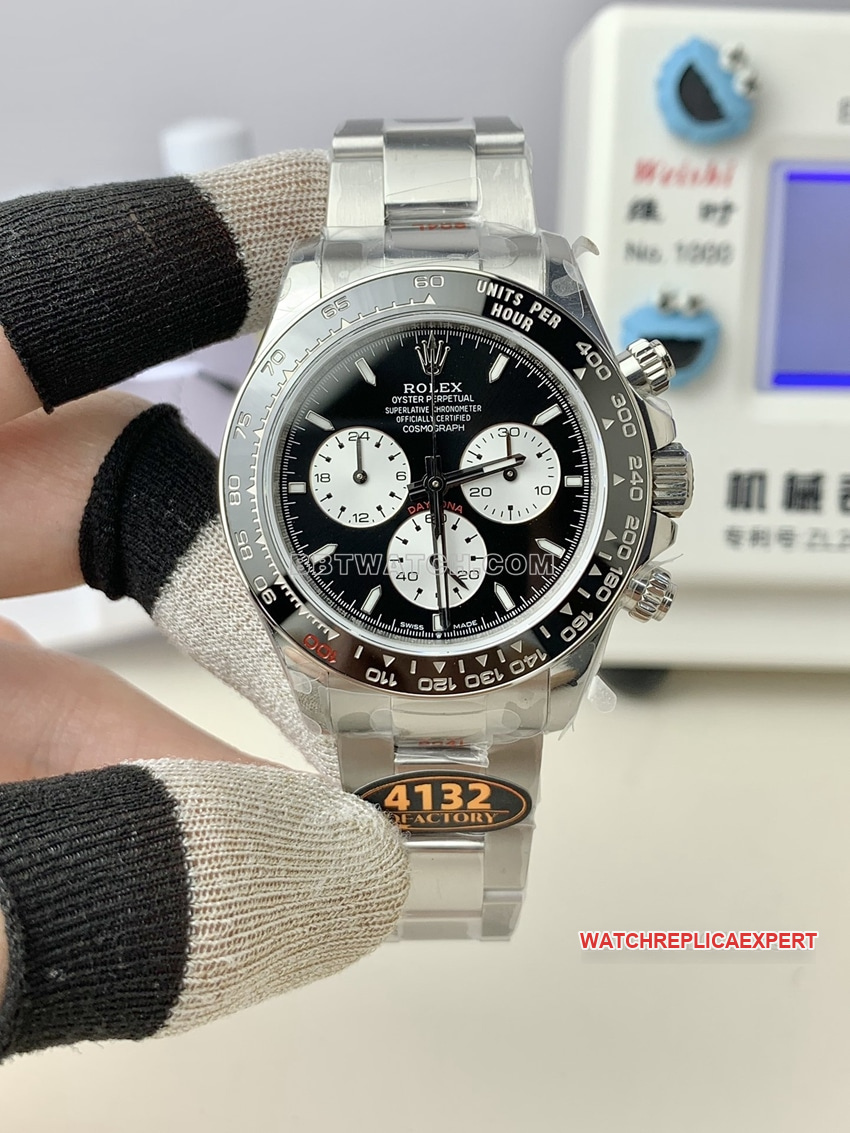
Omega's release of two reverse-panda Speedmaster models is perhaps the most striking early novelty. The reverse-panda dial—with its light sub-dials against a dark main dial—returns to a configuration that was popular in the 1970s. This choice indicates a growing appetite for retro chronograph designs, a segment that has seen renewed interest among younger collectors.
By offering two variants, Omega is also expanding its Speedmaster family to cover both classic and modern preferences. This move is likely to strengthen the model's position as a versatile icon, capable of appealing to purists and trendsetters alike.
Credor’s Goldfeather Imari Nabeshima: Artistry in Porcelain
Credor, Seiko's high-end subsidiary, unveiled the Goldfeather Imari Nabeshima limited edition, featuring a porcelain dial crafted using traditional Japanese techniques. This release underscores the importance of artisanal craftsmanship in the luxury watch market. Collectors increasingly value unique, handcrafted elements that differentiate a timepiece from mass-produced alternatives.
The Imari Nabeshima porcelain dial is a testament to Credor's dedication to preserving cultural heritage and pushing the boundaries of decorative arts in watchmaking.
What These Releases Tell Us About 2026
These early launches reveal several key trends for the year ahead:
- Vintage Revival: From Seiko's tonneau case to Omega's reverse-panda dials, brands are increasingly looking to their archives for inspiration. Expect more vintage-inspired designs throughout 2026.
- Dual Price Strategy: Oris and Seiko are exemplifying a trend where brands offer both accessible and high-end models. This approach broadens their customer base and ensures stability in fluctuating economic conditions.
- Material Innovation: Credor's porcelain dial and other upcoming releases may showcase new materials or traditional techniques applied in novel ways.
- Cultural Storytelling: The Year of the Horse edition points to a continued emphasis on cultural themes, connecting timepieces to broader narratives.
- Color and Contrast: The reverse-panda Speedmasters suggest a bold use of color and contrast, moving away from monochromatic dials toward more expressive designs.
Watches on the Wrists of Our Editors
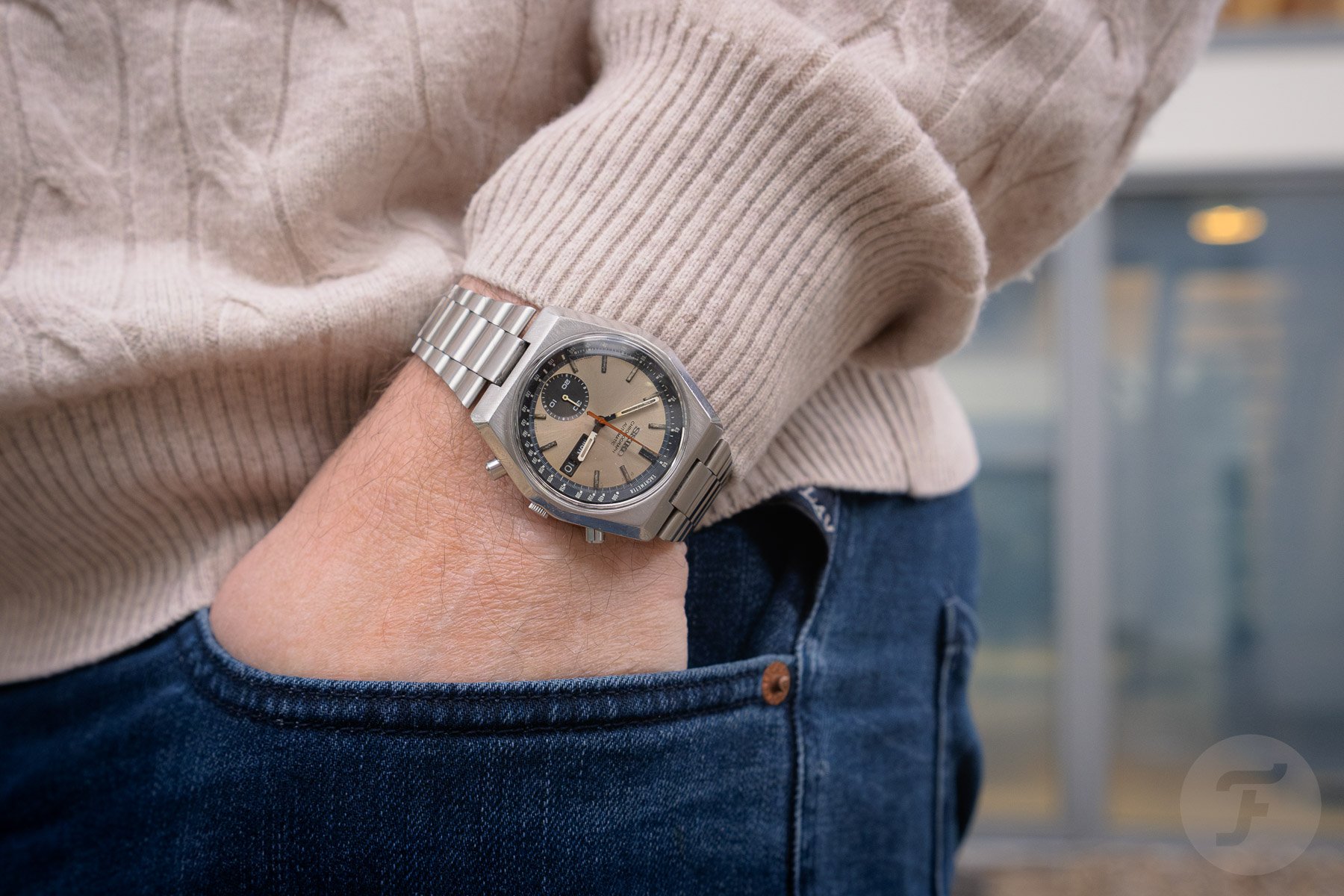
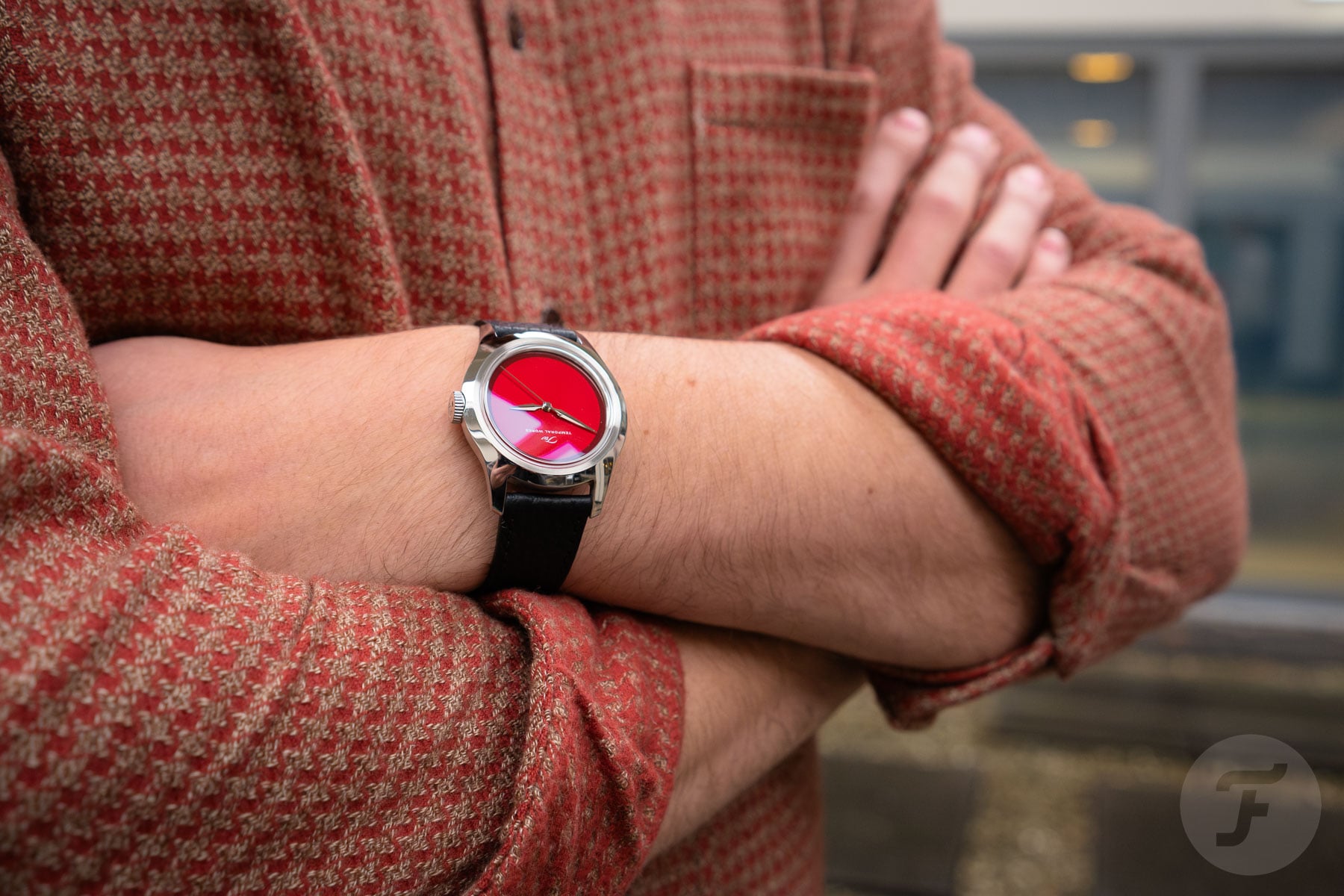
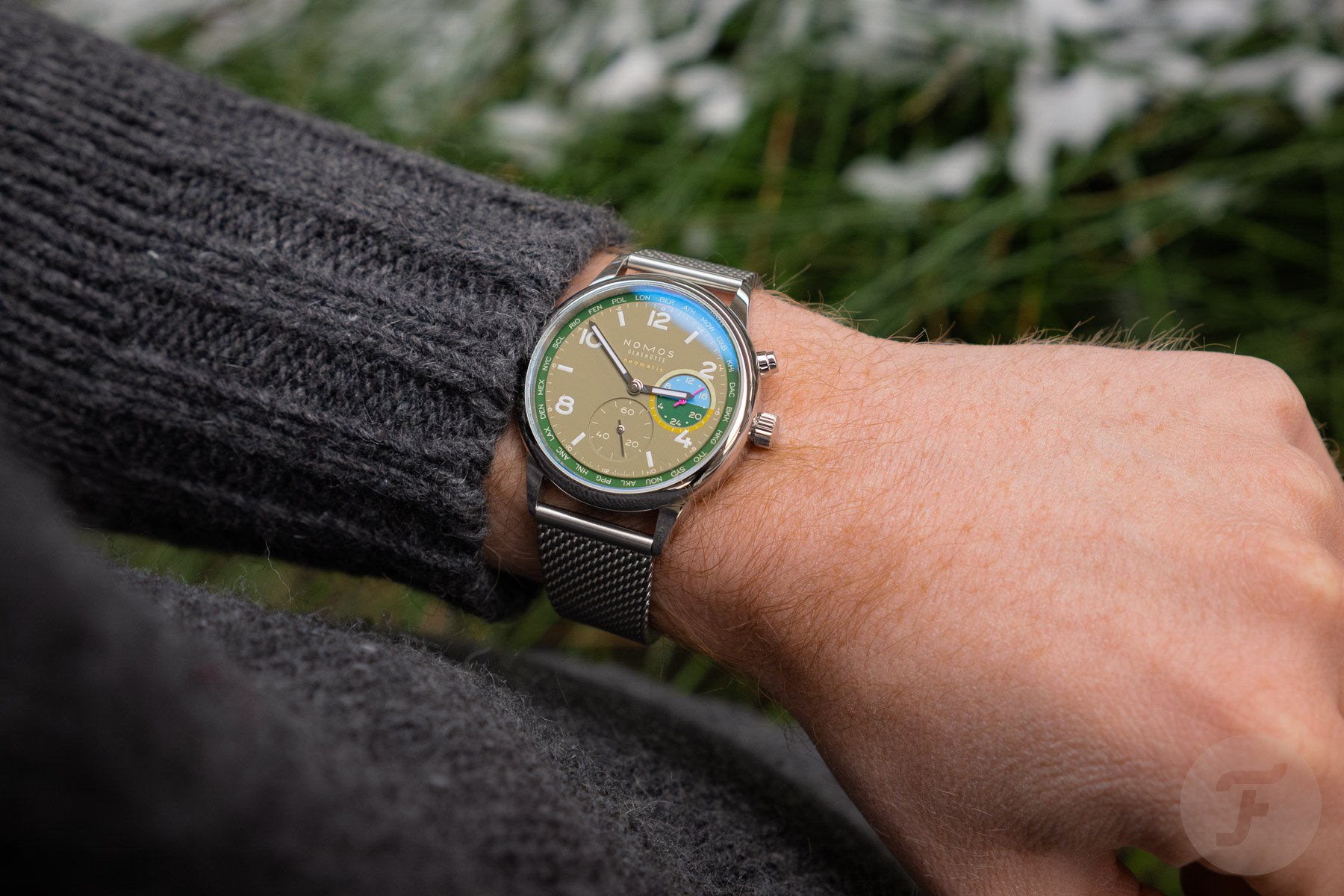
In a lighter vein, our editors shared their current wrist choices, reflecting the diversity of collector tastes. One editor sported a 1977 Seiko 6139-7080, proving that affordable vintage pieces remain highly cherished. Another wore the Temporal Works Series A “Fortune” with a red lacquer dial, a collaboration with The Armoury that exemplifies the growing niche of micro-brands. A third chose the Nomos Club Sport Neomatik Worldtimer Jungle on a mesh bracelet, showcasing the ongoing quest for the perfect strap combination.
Looking Ahead
As we progress through 2026, it will be fascinating to see if these early trends persist. Will more brands embrace vintage revivals? Will the focus on craftsmanship intensify? The answers will unfold with each new release. For now, the initial novelties set an optimistic tone, promising a year of innovation, heritage, and diversity in the watch industry.
Stay tuned to Watch CollectExpert for ongoing coverage and analysis of the latest releases. We invite you to share your thoughts on these early 2026 watches in the comments below.


What are the first watch releases of 2026?
Which new watches did Seiko release for its 145th anniversary?
What trends are emerging from early 2026 watch launches?
Why did Omega introduce reverse-panda Speedmasters in 2026?
How are brands like Oris and Seiko appealing to different price segments?
What is the significance of Seiko's tonneau case in 2026?
What is special about the Oris Artelier Year of the Horse edition?
Why are reverse-panda dials making a comeback in watches?
What materials are used in Credor's Goldfeather Imari Nabeshima watch?
How do early 2026 releases predict watch trends for the year?
What is the history of the Seiko 6139-7080 chronograph?
What is the Temporal Works Series A watch?
Which watch brands are focusing on vintage revivals in 2026?
What are the benefits of a dual price strategy for watch brands?
How does cultural storytelling influence modern watch design?