Hublot is one of the most polarizing brands in luxury watchmaking. Often the subject of online jokes and heated debates, it is easy to overlook the genuine merits that have made Hublot a significant player in the industry since its founding in 1980. This article examines three objective reasons why a discerning collector might consider adding a Hublot to their collection, moving beyond preconceived notions to appreciate what the brand truly offers.
A Brief History of Hublot
Founded by Italian watchmaker Carlo Crocco, Hublot introduced its first timepiece in 1980, featuring a now-iconic design that combined a gold case with a black rubber strap—a bold fusion that was unprecedented at the time. The name "Hublot" means "porthole" in French, reflecting the distinctive bezel design that resembles a ship's window. After Crocco's initial success, the brand entered a transformative era under the leadership of Jean-Claude Biver in the early 2000s. Biver revitalized Hublot with the "Art of Fusion" concept, emphasizing unconventional materials and partnerships. Today, under the stewardship of Julien Tornare, formerly of Zenith, Hublot continues to push boundaries while respecting its heritage.
Reason 1: Bold and Innovative Design
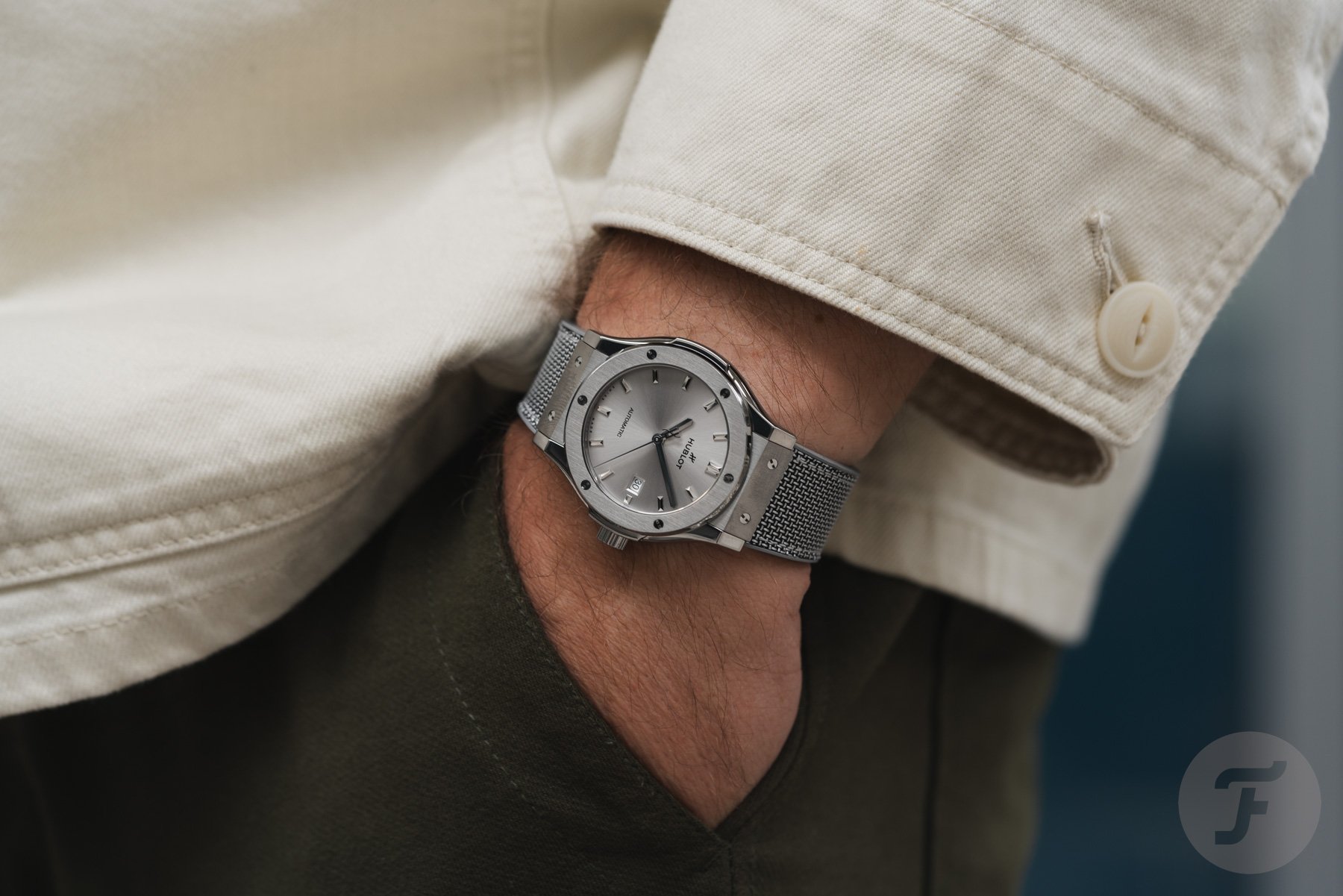
Hublot is renowned for its fearless approach to design. The brand does not shy away from large case sizes, striking color combinations, and futuristic aesthetics. For many, this is a point of contention, but for others, it is a refreshing departure from the conservative norms of traditional watchmaking. Hublot's designs are immediately recognizable, offering a modern and sporty alternative to more classic dress watches. The brand's use of materials such as Magic Gold, a scratch-resistant alloy, and sapphire crystal cases demonstrates a commitment to innovation that appeals to collectors seeking something unique. Whether it is the iconic Big Bang chronograph or the more understated Classic Fusion, Hublot offers a design language that is unapologetically contemporary.
Reason 2: Pioneering Use of Materials
Hublot has been at the forefront of material science in watchmaking. The brand was among the first to pair gold with rubber, and it has since developed a range of proprietary materials that set it apart. Magic Gold, introduced in 2012, is a scratch-resistant 18k gold composite that is 1,000 times harder than traditional gold. This innovation allows Hublot to offer luxury timepieces that are both beautiful and durable. Additionally, Hublot has extensively utilized carbon fiber, ceramic, and sapphire crystal in its cases, often combining them in unexpected ways. For collectors who value technical advancement and material experimentation, Hublot provides a playground of possibilities that few other brands can match.
Reason 3: Robust In-House Movements
While some critics dismiss Hublot as a marketing-driven brand, the company has invested heavily in its manufacture capabilities. Hublot produces a range of in-house movements, including chronographs, tourbillons, and minute repeaters. The Unico calibre, introduced in 2009, is a column-wheel chronograph movement with a flyback function and a 72-hour power reserve. It is visible through the case back, showcasing Hublot's commitment to technical excellence. The brand also developed the MP-05 LaFerrari, a highly complex movement with an 11-barrel system that delivers a staggering 50-day power reserve. These in-house calibers demonstrate that Hublot is more than just a fashion statement; it is a serious manufacture with horological credibility.
Considering the Case for Hublot
Of course, Hublot is not for everyone. Its designs are polarizing, and its price points are high. However, for the collector who embraces bold aesthetics, appreciates material innovation, and values technical sophistication, Hublot offers a compelling package. The brand has carved out a niche that bridges luxury and sport, tradition and futurism. Whether you are drawn to the iconic Big Bang, the elegant Classic Fusion, or the avant-garde MP series, there is a Hublot that can make a statement on your wrist.
Final Thoughts
In the world of watch collecting, diversity is a strength. While it is easy to join the chorus of critics, it is worth taking a closer look at what Hublot has to offer. The brand's history of innovation, its bold design language, and its in-house movements are all reasons to give it a second chance. As with any significant purchase, the decision ultimately comes down to personal taste. But for those willing to look beyond the jokes, Hublot may just be the unexpected gem that adds a unique dimension to a collection. Whether you are a seasoned collector or a newcomer, considering a Hublot is a worthwhile exercise in open-mindedness.


Why buy a Hublot watch?
Is Hublot worth the investment?
What makes Hublot unique?
Hublot watch buying guide
Are Hublot watches any good?
What are the pros and cons of Hublot watches?
Is Hublot a good watch brand?
Why are Hublot watches so expensive?
How does Hublot compare to Rolex?
What is the history of Hublot?
Are Hublot watches a good investment?
What movements does Hublot use?
What is the most popular Hublot watch?
How durable are Hublot watches?
What is the Art of Fusion concept?