The Rolex Air-King holds a unique place in the brand's storied lineup. Long considered the black sheep among Rolex's professional and classic offerings, it has never fit neatly into any single category. Unlike the more uniform Oyster Perpetual, the Air-King has historically offered a canvas for playful dial designs, varied indices, and an array of finishes. With the introduction of the reference 126900, Rolex has boldly redefined this model, transforming it into a full-fledged sports watch while preserving its distinctive character. This article explores the evolution, design, and mechanics of the modern Air-King, offering insights for collectors and enthusiasts alike.
A Legacy of Aviation and Change
The Air-King's origins date back to 1945, when Rolex crafted a timepiece for British Royal Air Force pilots. For decades, it remained a modest 34mm watch, a size that was practical for aviators who needed unobstructed wrist movement in the cockpit. However, as modern tastes shifted toward larger cases, the Air-King risked becoming obsolete. In 2016, Rolex introduced the 116900, a dramatic departure that increased the case to 40mm and drew inspiration from the Bloodhound LSR, a British land-speed record vehicle designed to exceed 1,000 mph. The 126900, launched later, refines this concept, cementing the Air-King's status as a contemporary sports model.
Case and Bracelet: A Bold New Silhouette
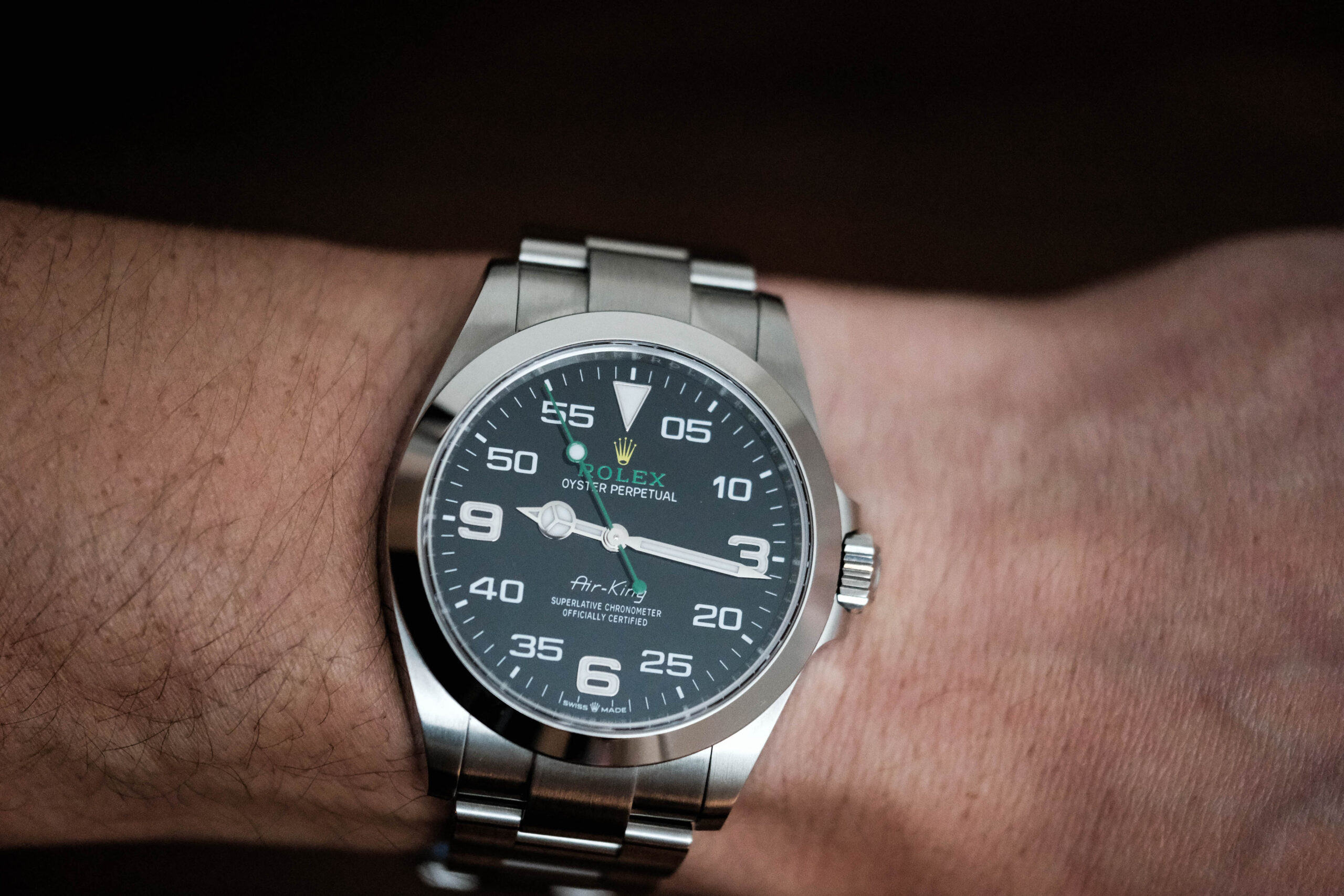
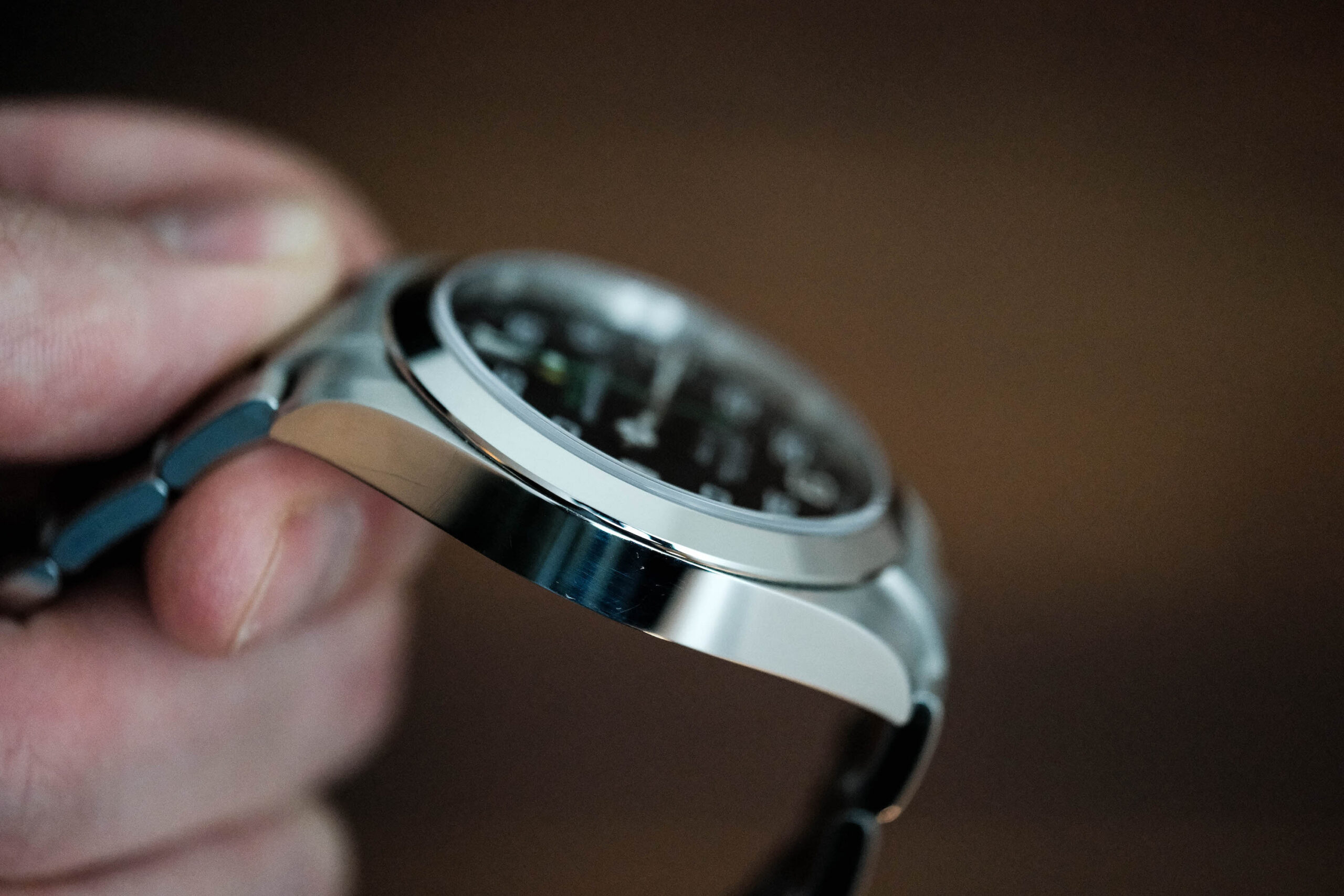
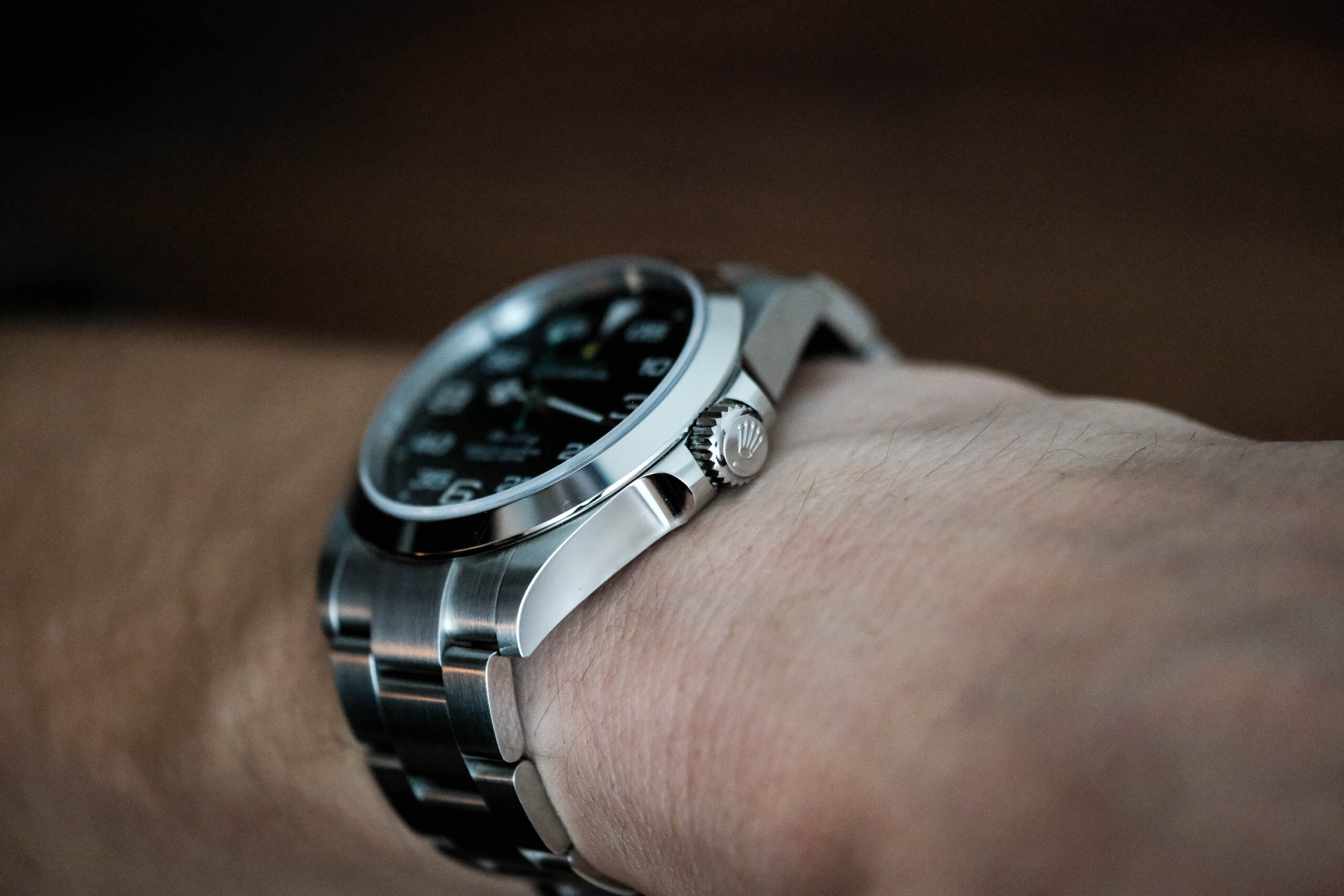
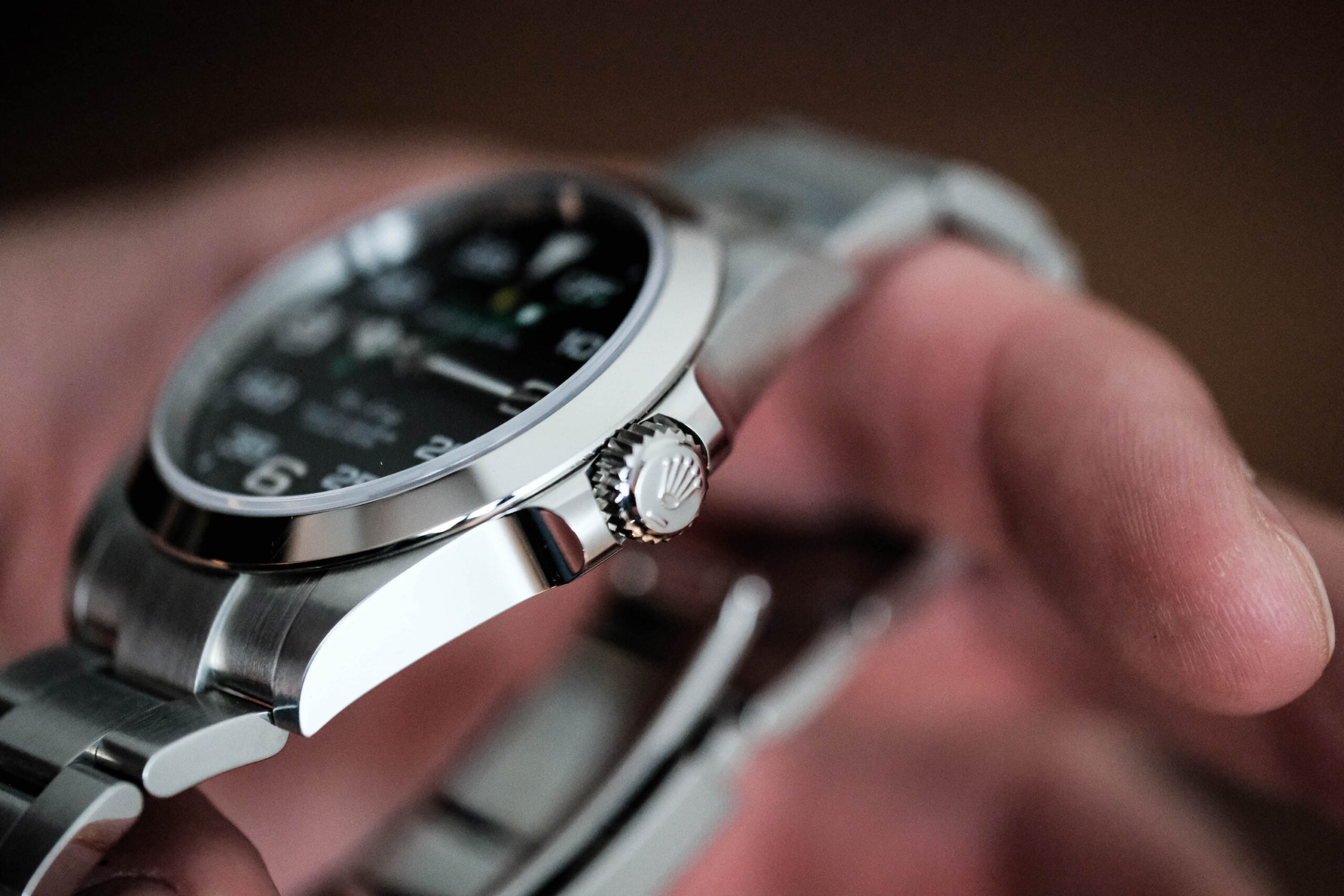
The most immediate change in the 126900 is its case. Now sharing the robust architecture of the Submariner, it features a slab-sided profile with prominent crown guards, a departure from the gentler curves of earlier Air-Kings. The polished steel bezel, once domed, now adopts a flat, slanted design reminiscent of the Explorer I. This new case measures 40mm in diameter, a significant increase that aligns with modern preferences while still offering substantial wrist presence. The bracelet has correspondingly widened to 21mm between the lugs, ensuring a balanced and secure fit. While the older 34mm Air-King was celebrated for its featherlight comfort—so much so that it could virtually disappear on the wrist—the 126900 offers a more substantial feel, comparable to wearing a Submariner or a 40mm Explorer. This shift in ergonomics is a trade-off: the watch now commands attention, but it sacrifices the effortless wearability of its predecessor.
The Dial: A Masterpiece of Complexity
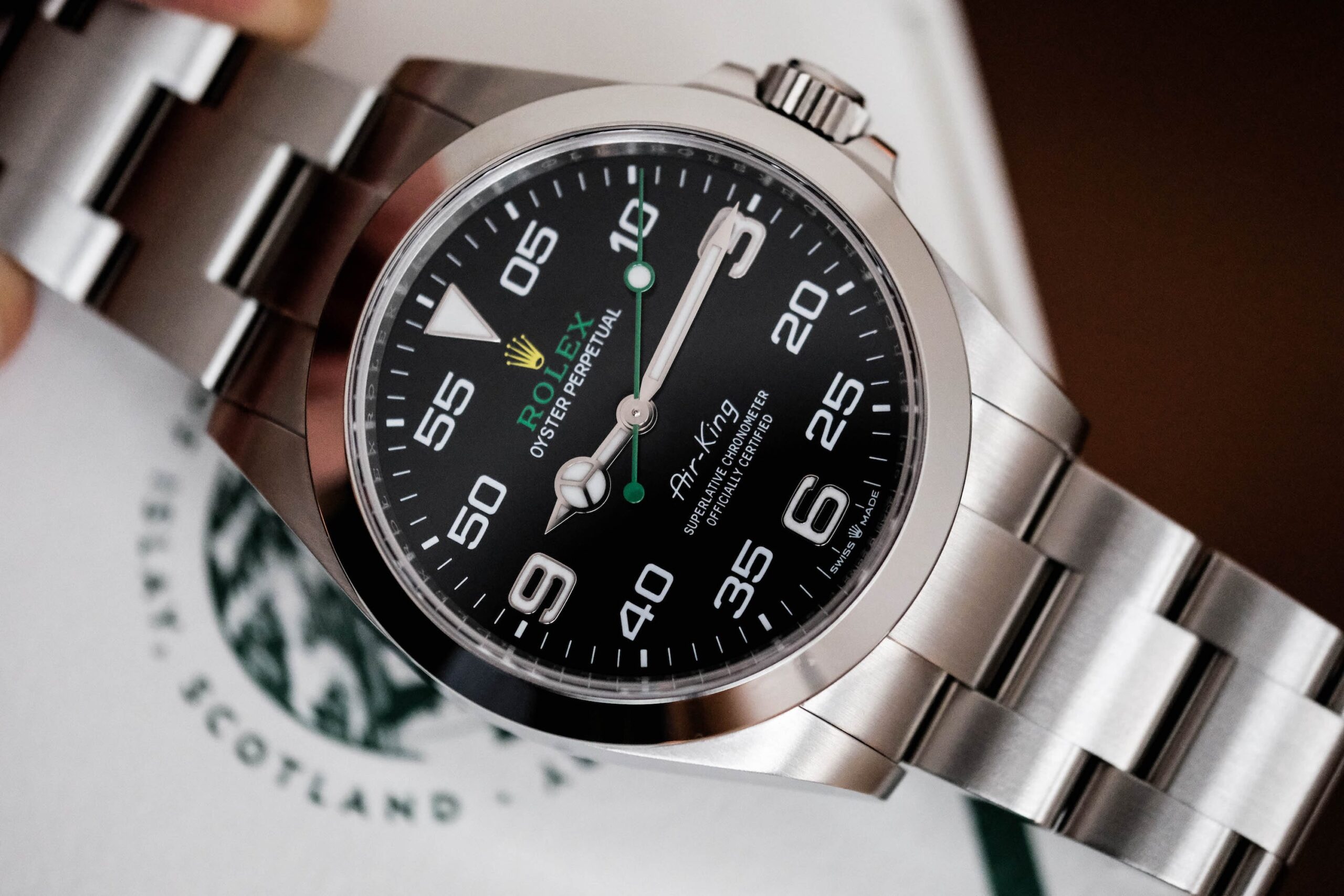
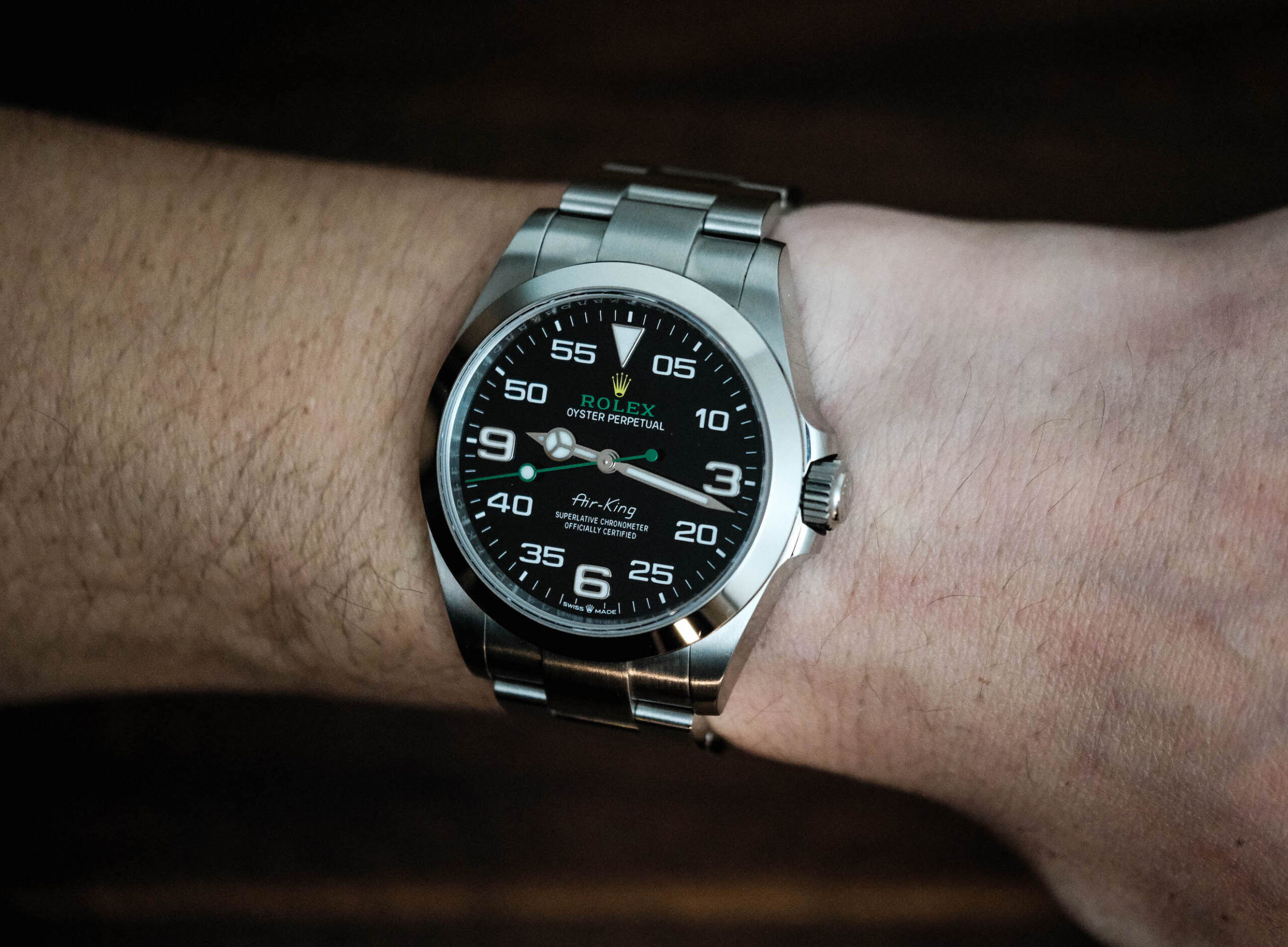
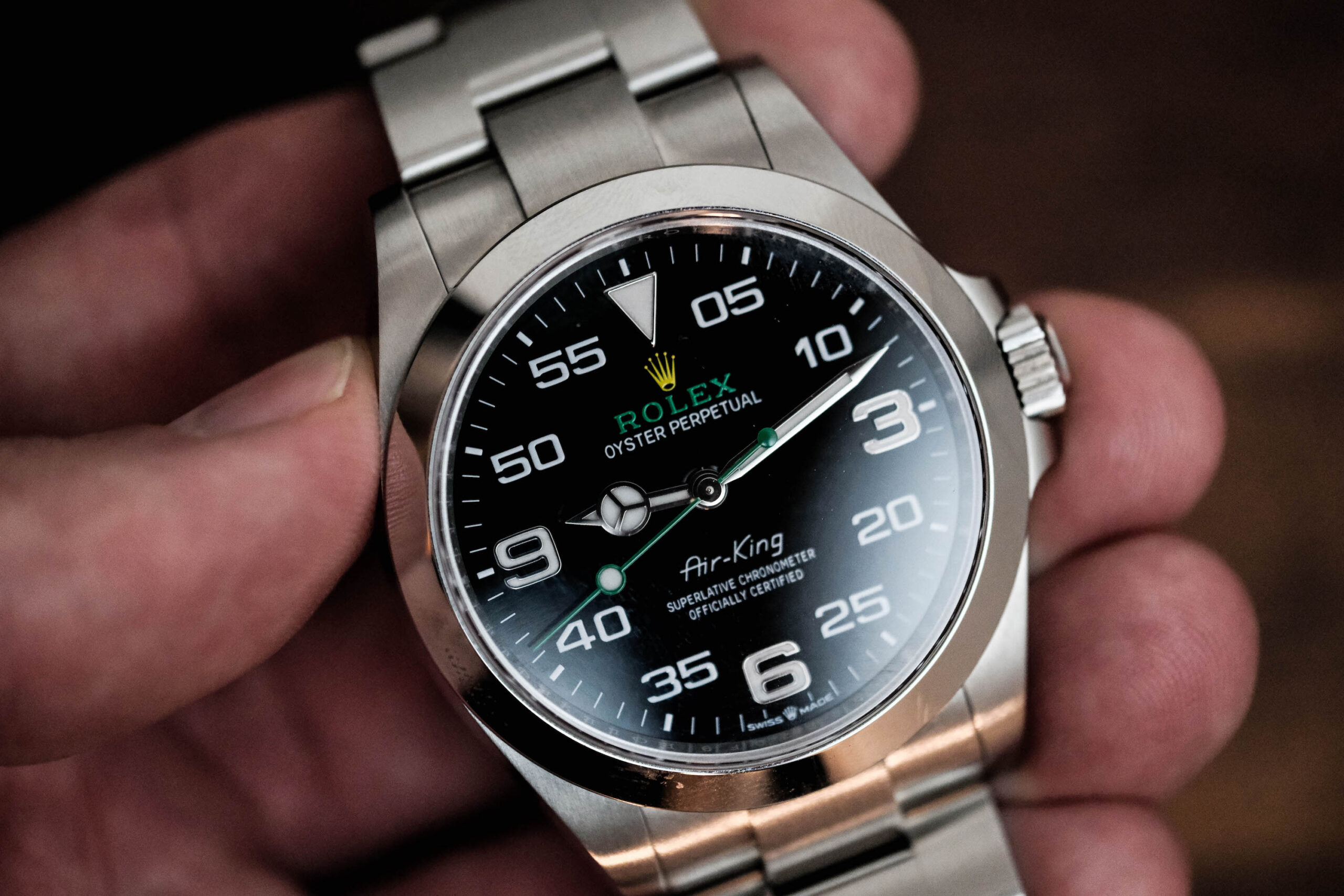
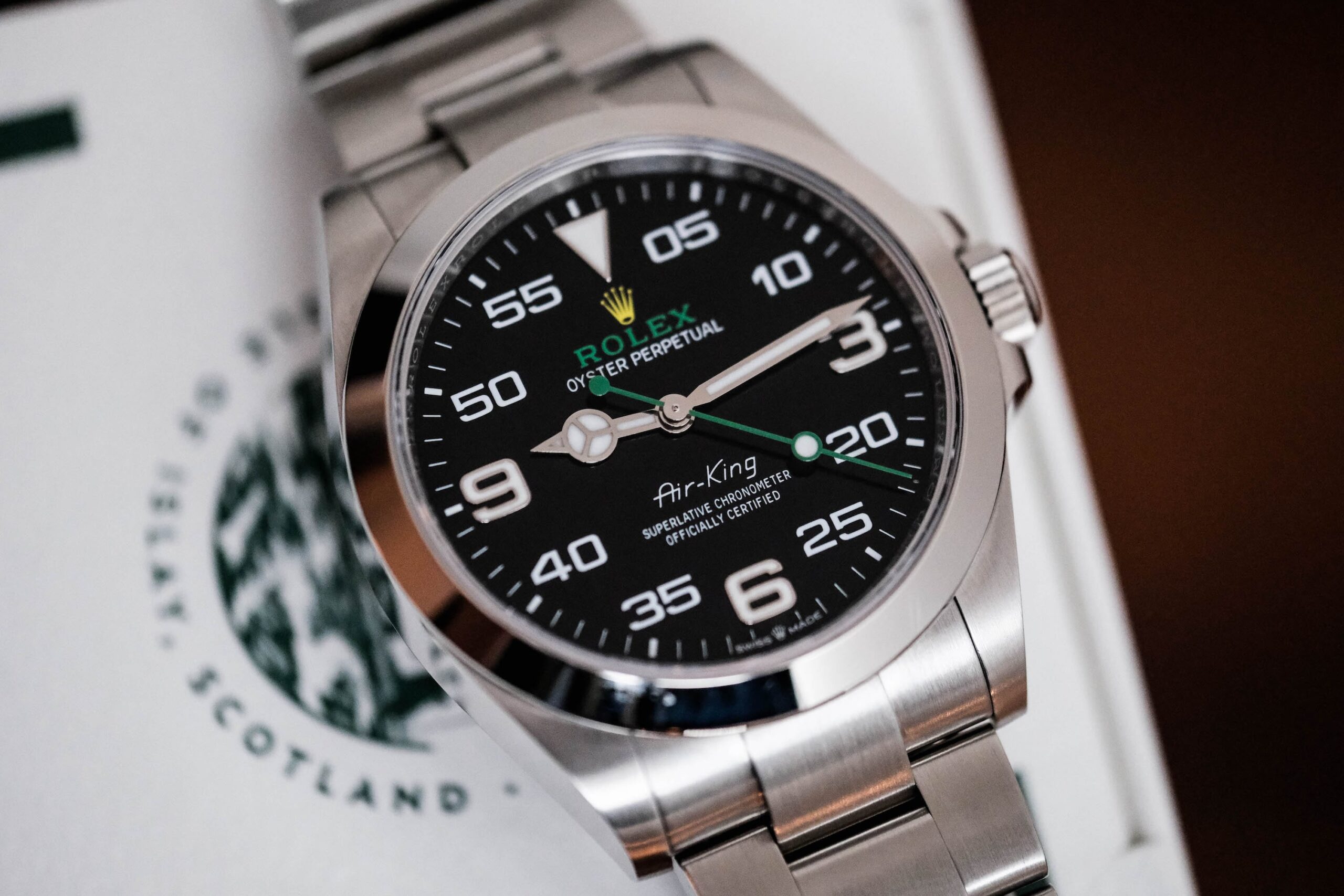
Undoubtedly, the dial is the Air-King's most divisive and captivating feature. The 126900 presents a conglomeration of traditional Rolex colors applied in unconventional ways. The iconic lollipop seconds hand is now a vivid green, matched by the Rolex coronet at 12 o'clock. The crown logo itself is rendered in bright yellow, adding a playful pop of color. The numeral layout is equally striking, featuring painted double digits alongside larger, applied luminescent 3, 6, and 9 markers. Up close, the dial appears dense with information, but from a normal viewing distance, the complexity resolves into a harmonious, legible display. This layout intentionally mirrors the speed cluster of the Bloodhound LSR, a tribute that adds depth to the design. The classic 'Air-King' script remains, now positioned lower near the 6 o'clock mark. While traditionalists may find this dial unconventional, it undeniably injects excitement and unpredictability into Rolex's typically conservative aesthetic.
Movement: Precision and Performance
Beneath the surface, the 126900 houses the calibre 3230, an upgrade from the previous generation's calibre 3130. This modern movement offers a substantial 70-hour power reserve, a significant improvement for daily wear. The calibre 3230 incorporates Rolex's latest escapement technology, ensuring enhanced precision and reliability. Hand-winding the watch reveals a smoother, more refined action, a testament to the movement's refined engineering. As with all Rolex movements, it is a Superlative Chronometer, certified to meet stringent accuracy standards after assembly. This movement represents Rolex's commitment to continuous improvement, blending tradition with innovation.
Wearing the Modern Air-King
In daily use, the 126900 presents a different experience than its 34mm ancestor. The larger case and bracelet give it a commanding presence, making it a statement piece rather than a discreet companion. The dial's unique design ensures it draws glances, with the green accents catching light and inviting closer inspection. Despite its size, the watch remains comfortable for prolonged wear, thanks to the well-engineered Oyster bracelet and case ergonomics. Water resistance remains robust at 100 meters (330 feet), supported by the screw-down crown, making it suitable for swimming and everyday activities. Legibility is excellent, with stark white-on-black contrast and luminous markers ensuring readability in all conditions.
Is the Air-King Right for You?
The modern Air-King is an ideal choice for those seeking a sporty Rolex that defies convention. It appeals to collectors who appreciate the brand's heritage but desire something distinct from the ubiquitous Submariner or Daytona. The watch bridges the gap between tool watch and fashion statement, offering a unique blend of history, innovation, and individuality. For newcomers to Rolex, the Air-King provides an accessible entry point into the world of high-end horology, without the hype and premium prices of more sought-after models. Its combination of robust construction, distinctive design, and reliable performance makes it a worthy addition to any collection.
Conclusion
The Rolex Air-King 126900 represents a bold evolution of a classic. By embracing a larger case, a daring dial, and modern movement technology, Rolex has successfully repositioned the Air-King as a contemporary sports watch while honoring its pilot heritage. Whether you are a long-time enthusiast or a newcomer, this timepiece offers a compelling blend of form and function. Its unique character ensures it stands out in a sea of sameness, making it a truly special choice for those who dare to be different.
What is the Rolex Air-King 126900?
How has the Rolex Air-King evolved over time?
What are the key features of the Air-King 126900?
Is the Air-King a good sports watch?
Why is the Air-King dial so unique?
What is the power reserve of the Rolex Air-King 126900?
Is the Air-King 126900 water resistant?
What movement is in the Air-King 126900?
How does the Air-King 126900 fit on the wrist?
What is the diameter of the Air-King 126900?
Why is the Air-King called a land speed watch?
What is the price of the Rolex Air-King 126900?
Does the Air-King 126900 have a date function?
Is the Air-King 126900 a limited edition?
How does the Air-King 126900 compare to the Submariner?