The question of whether to wear a vintage watch or keep it safely stored is a perennial debate among collectors. While some enthusiasts relish the idea of strapping a piece of history to their wrist, others hesitate, fearing damage, loss of value, or simply the impracticality of an older timepiece in modern life. This article delves into the perspectives of seasoned collectors, examining the nuances of wearing vintage and neo-vintage watches, and offers guidance for those navigating this dilemma.
The Collector's Mindset
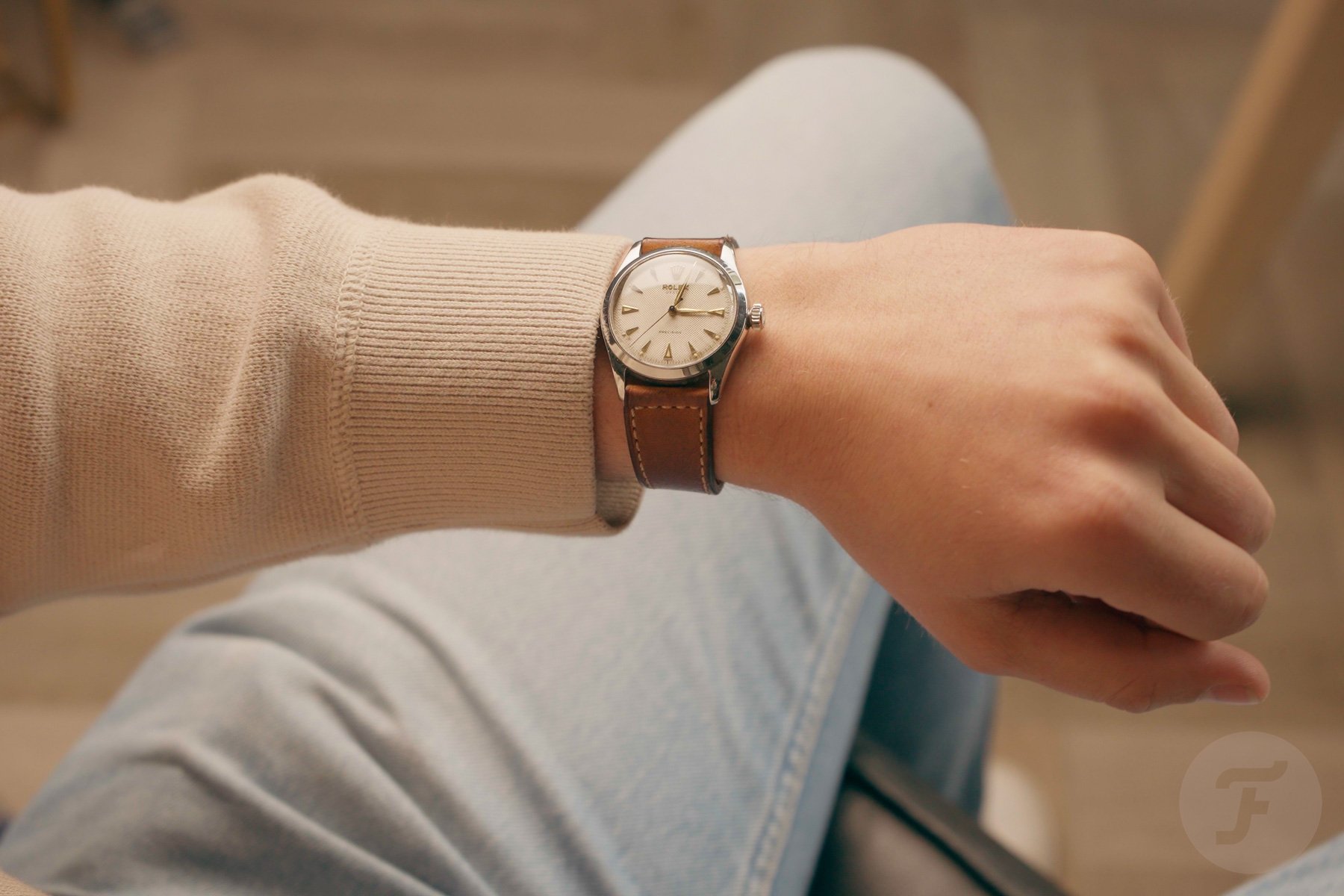
For many, vintage watches hold an irresistible charm. They carry stories, exhibit unique patina, and connect us to a bygone era of horology. However, the decision to wear them often hinges on several factors: the watch's condition, its historical significance, and the owner's personal comfort with risk.
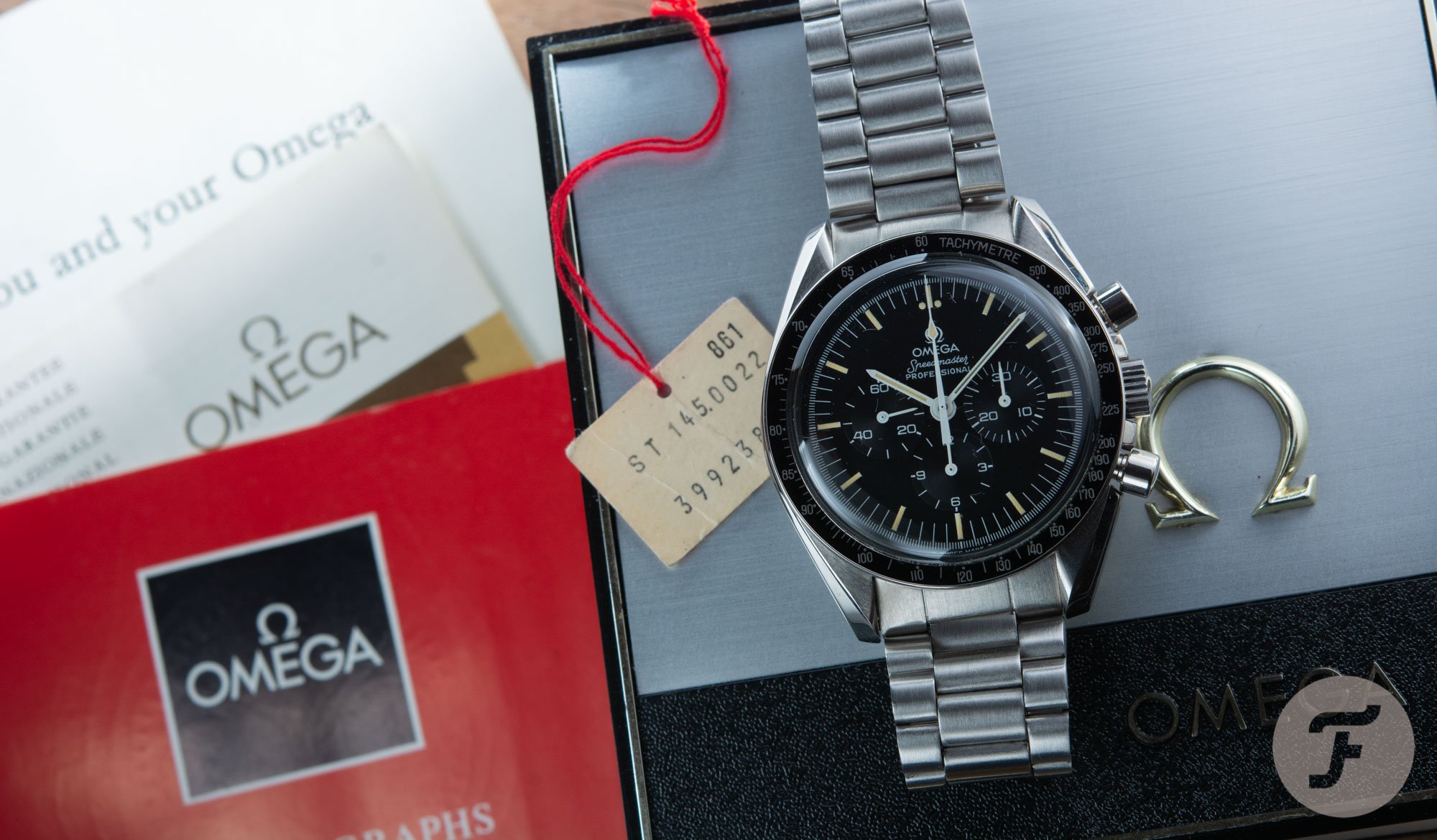
Some collectors draw a clear line between watches that show signs of wear and those that are in pristine, new-old-stock (NOS) condition. A watch that has already lived a life, with scratches and scuffs, feels more approachable for daily wear. In contrast, a NOS piece, preserved for decades, might feel too precious to risk. This sentiment is echoed by many in the community, who find it difficult to wear a watch that has remained untouched for years.
Wearing Vintage: The Arguments For
- Character and Connection: Vintage watches possess a character that modern replicas cannot replicate. The patina on the dial, the wear on the case, and the mechanical quirks all contribute to a unique personality. Wearing such a watch allows the owner to feel a tangible connection to the past.
- Practical Enjoyment: Watches are made to be worn. Keeping them locked away in a safe denies the owner the pleasure of experiencing the watch's functionality and beauty on a daily basis. Many collectors argue that a watch's purpose is to be used, not just admired.
- Cost of Entry: Some vintage watches, particularly those from lesser-known brands or in less-than-perfect condition, are surprisingly affordable. This makes them ideal candidates for daily wear, as the financial risk is lower.
Wearing Vintage: The Arguments Against
- Risk of Damage: Vintage watches were not designed to withstand the rigors of modern life. Their movements may be fragile, their seals may have deteriorated, and their cases may not offer the same level of protection as contemporary models. A sudden shock or a splash of water could cause irreparable harm.
- Cost of Repairs: Servicing a vintage watch can be expensive, especially if parts are scarce. The cost of a full overhaul might exceed the watch's market value, making it a financially questionable endeavor.
- Loss of Value: Wearing a vintage watch can accelerate its wear and tear, potentially diminishing its collector's value. For those who view their watches as investments, this is a significant deterrent.
Neo-Vintage: A Middle Ground
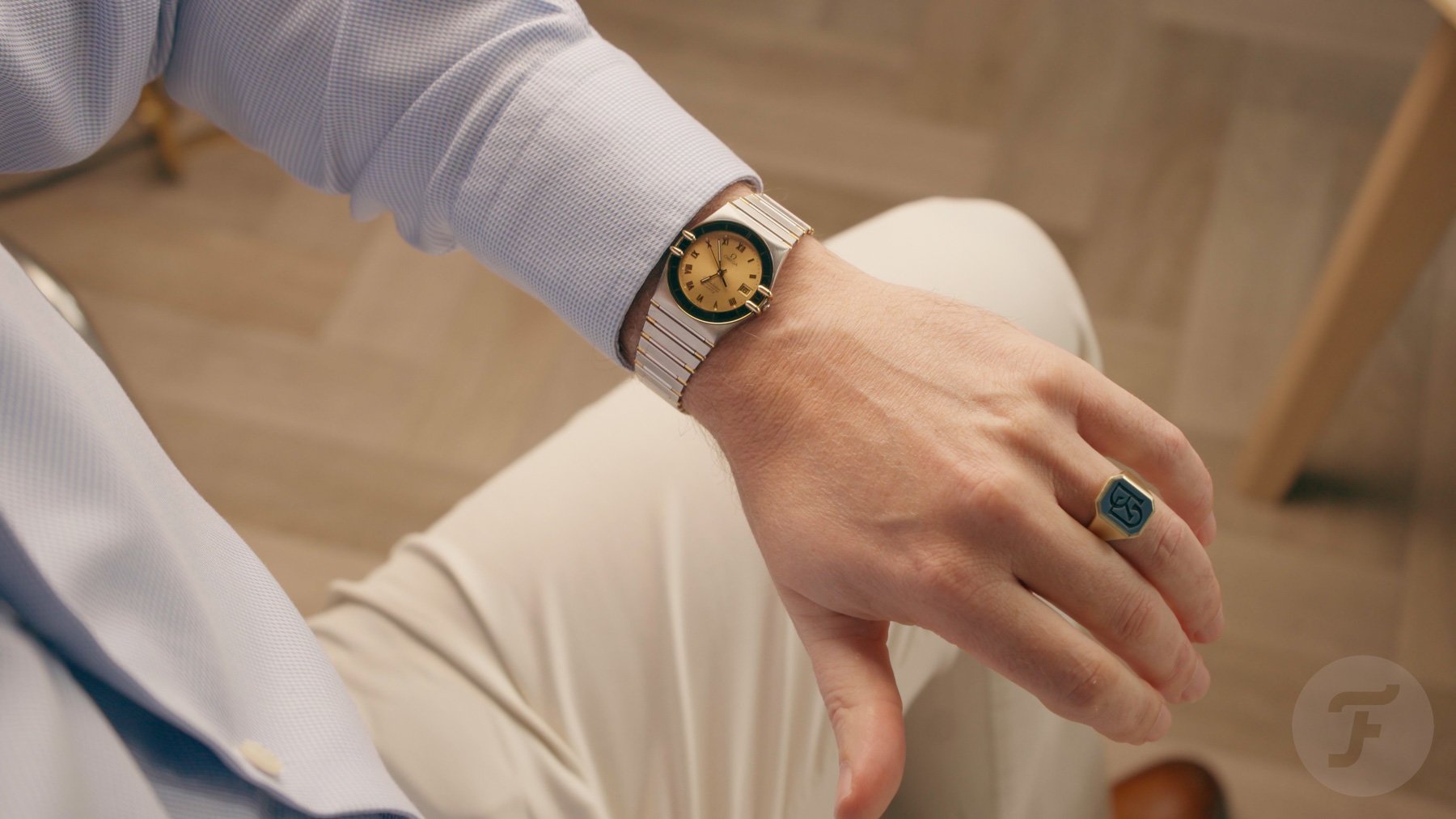
Neo-vintage watches, typically dating from the 1980s to the early 2000s, offer a compromise. They often feature more modern materials and movements, making them more robust than their older counterparts. Additionally, they may be less expensive than true vintage pieces, reducing the financial risk of daily wear.
Collectors of neo-vintage watches often feel more comfortable wearing them, as they strike a balance between vintage charm and modern reliability. For example, a 1980s Omega Constellation with a quartz movement is both stylish and dependable, making it an excellent choice for everyday use.
Case Studies: Three Collector Perspectives
To illustrate the diversity of opinions, consider three hypothetical collectors. The first, a young enthusiast, exclusively wears vintage watches, embracing their character and the stories they tell. He drives old cars and appreciates the imperfections of aged objects. For him, wearing vintage is a lifestyle choice.
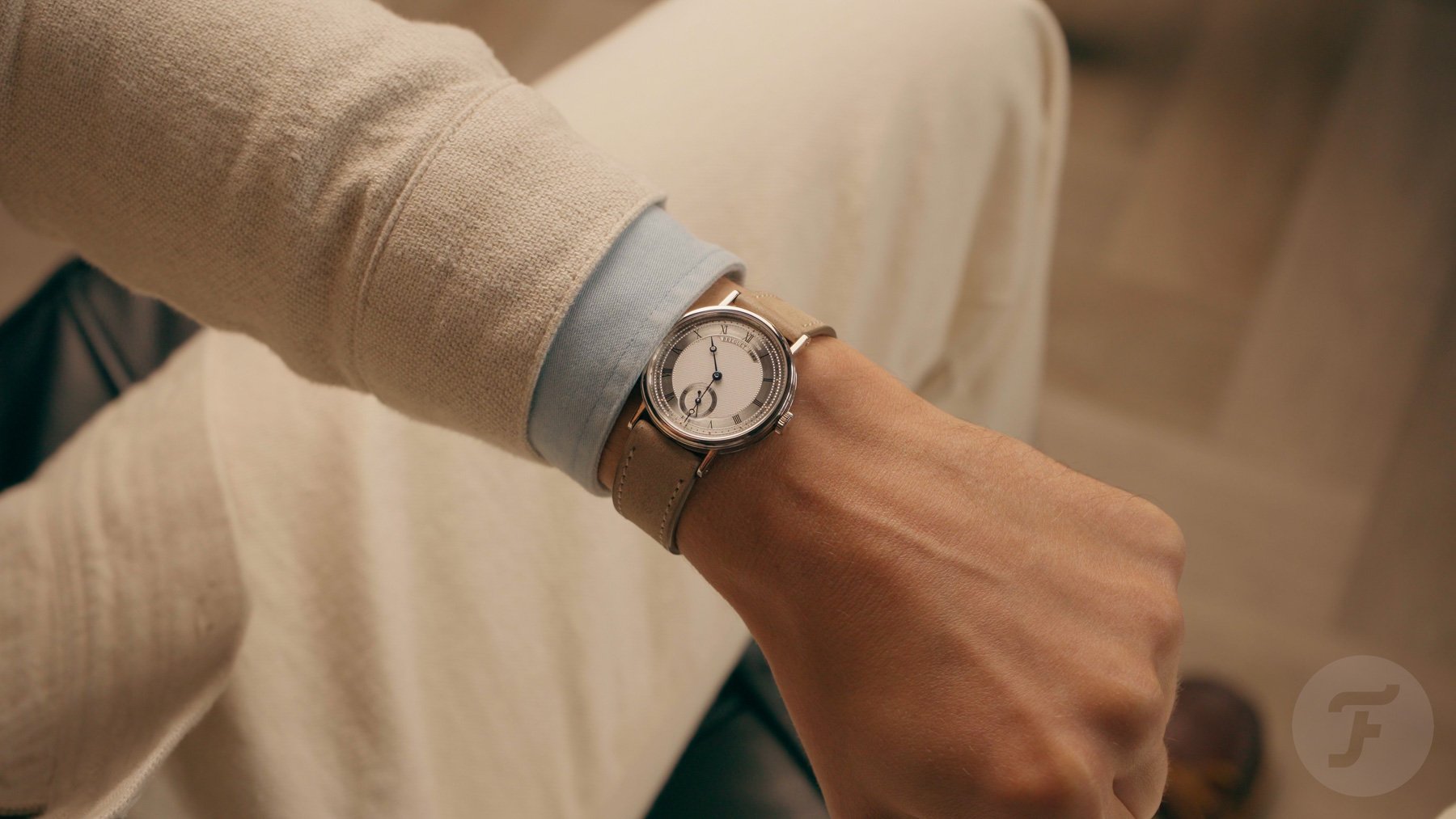
The second collector owns both vintage and neo-vintage pieces. He is comfortable wearing watches that show signs of previous use but shies away from NOS examples, fearing they might lose their pristine appeal. His collection includes a 1960s Seiko that he wears occasionally, but his daily driver is a 2005 Breguet with a modern movement.
The third collector, more cautious, prefers to keep his vintage watches in a safe, reserving them for special occasions. He enjoys owning them but is unwilling to risk damage or depreciation. Instead, he wears modern watches for daily tasks.
Practical Considerations for Wearing Vintage
If you decide to wear a vintage watch, there are several steps you can take to mitigate risks:
- Water Resistance: Have the watch's seals checked and replaced by a professional. Even then, avoid submerging it in water, as vintage gaskets may not be reliable.
- Shock Protection: Be mindful of activities that involve sudden movements or impacts. Consider wearing a more robust watch for sports or manual labor.
- Regular Servicing: Have the movement serviced every few years to ensure it remains in good working order. This can prevent minor issues from becoming major problems.
- Insurance: Consider insuring valuable vintage watches to protect against loss, theft, or damage.
Conclusion
Ultimately, the decision to wear or spare a vintage watch is a personal one. There is no right or wrong answer, only what feels right for the individual collector. Some will find joy in the daily companionship of a vintage timepiece, while others will prefer to preserve it as a piece of history. Whichever path you choose, the key is to enjoy your watches in a way that brings you satisfaction, whether that means wearing them proudly or admiring them from a display case.
Should I wear my vintage watch every day?
How to protect a vintage watch from damage?
Is it safe to wear a vintage watch in water?
What is the difference between vintage and neo-vintage watches?
Do vintage watches lose value if worn?
Can I wear a vintage watch daily?
How often should a vintage watch be serviced?
Are vintage watches water resistant?
What is a neo-vintage watch?
How do I store a vintage watch when not wearing it?
Is it okay to wear a vintage watch with a leather strap?
What are the risks of wearing a vintage watch?
Should I insure my vintage watch?
How can I tell if a vintage watch has been restored?
Do vintage watches have shock protection?