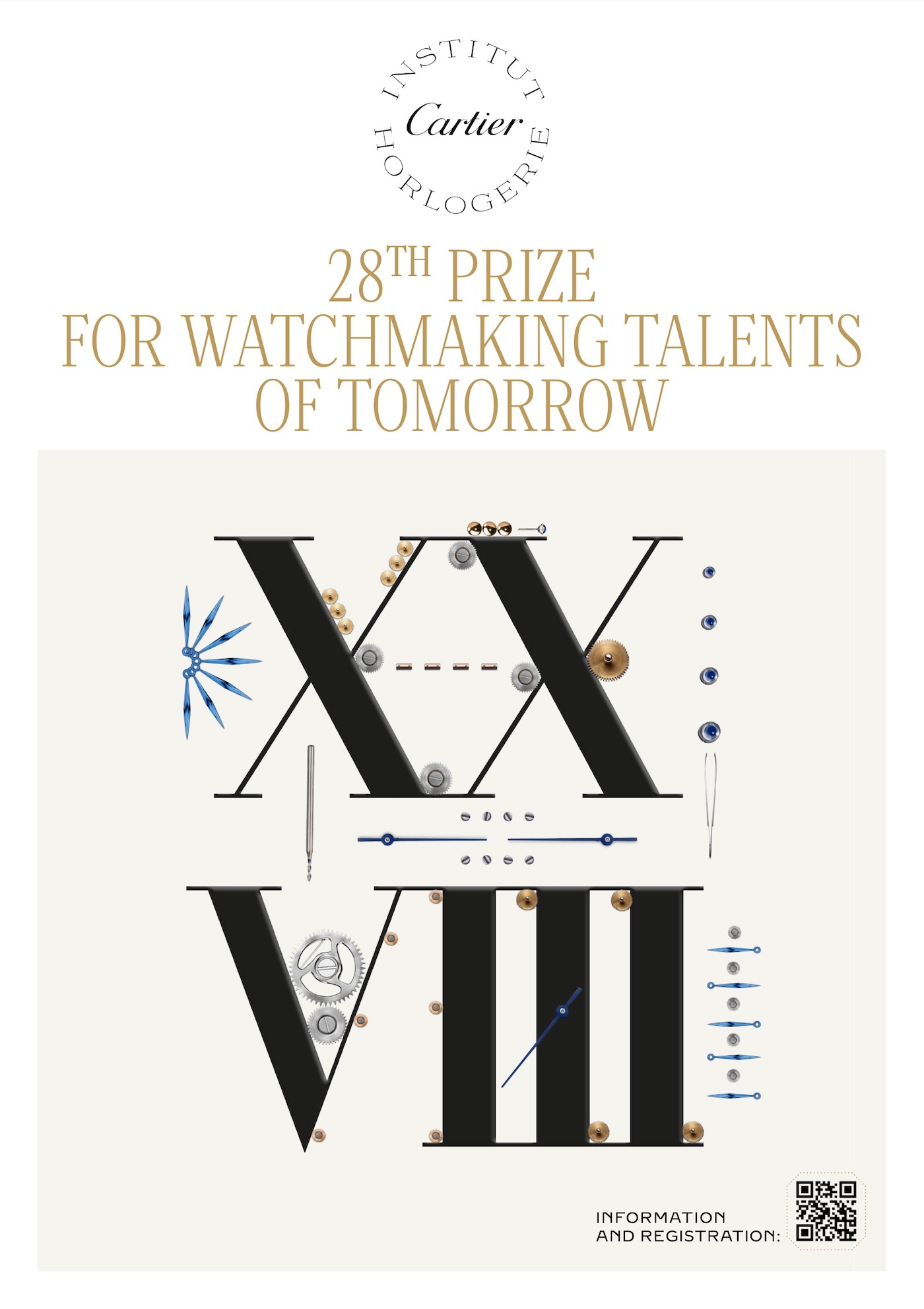
Since 1995, the Cartier Prize for Watchmaking Talents of Tomorrow (known in French as the Prix des Talents Horlogers de Demain) has stood as a beacon for aspiring watchmakers, providing recognition, mentorship, and a platform to shape the future of horology. Established by the Cartier Watchmaking Institute, the prize reflects the maison's deep commitment to preserving traditional craftsmanship while encouraging innovation among the next generation. Over three decades, it has evolved into a prestigious competition that bridges the gap between education and professional excellence.
Origins and Vision
Cartier has long believed in its responsibility to inspire vocations and nurture talent to pass on its unique vision of watchmaking. The prize was launched in 1995 as a direct expression of this commitment, dedicated to young watchmaking students in Switzerland, France, Belgium, and Germany. According to Karim Drici, Senior Vice President and Chief Operating Officer of Cartier, the goal is to give young watchmakers the opportunity to express themselves fully—from initial design to the creation of a complete timepiece. The prize emphasizes not only technical skill but also creativity, as both are essential to the future of the craft.
The initiative aligns with Cartier's broader vision of balancing tradition and modernity. While safeguarding centuries-old skills, the maison embraces cutting-edge industrial processes and micro-technique. This dual approach has positioned Cartier as a pioneer in both precision and decorative innovation. The prize serves as a bridge between these two worlds, ensuring that the next generation carries forward technical mastery and creative audacity.
Structure and Selection Process
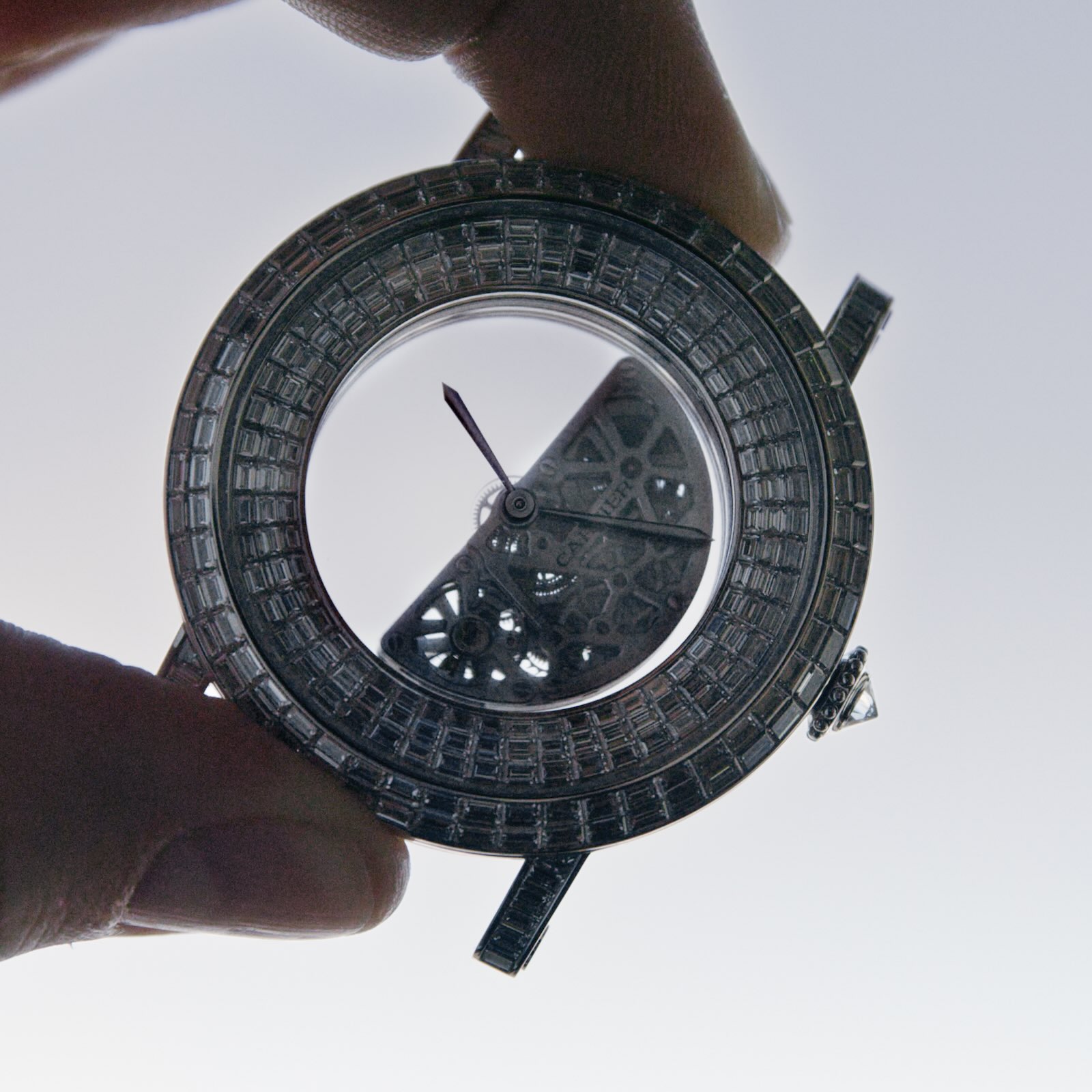
The competition is open to apprentice watchmakers in their third and fourth years of vocational training, as well as students in higher vocational watchmaking courses. Each year, a unique theme guides the participants. For 2025, the theme is “Shifting the Balance: Reading and Perceiving Time Differently,” encouraging bold interpretations of time display.
Applications are submitted online between September 8 and October 31, 2025. Candidates must provide a video presentation, project description, and sketches. A jury of five watch industry experts—including vintage specialist Roy Davidoff, Cartier Collection Director Pascale Lepeu, and independent watchmaker Kari Voutilainen—selects six technicians and six apprentices as finalists. These twelve finalists then have up to 80 hours over three months to develop their projects, with guidance from a mentor of their choice (typically a teacher from their school).
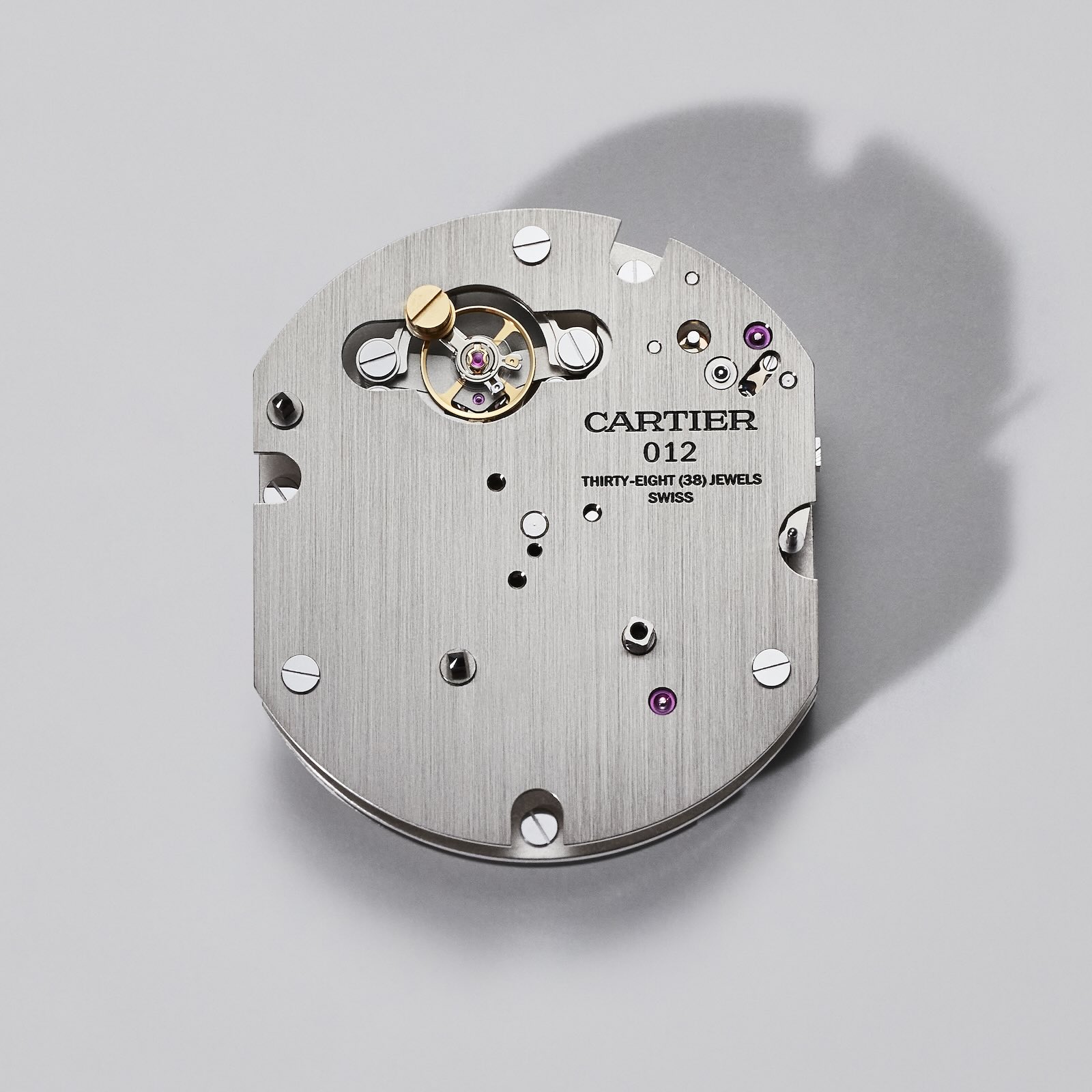
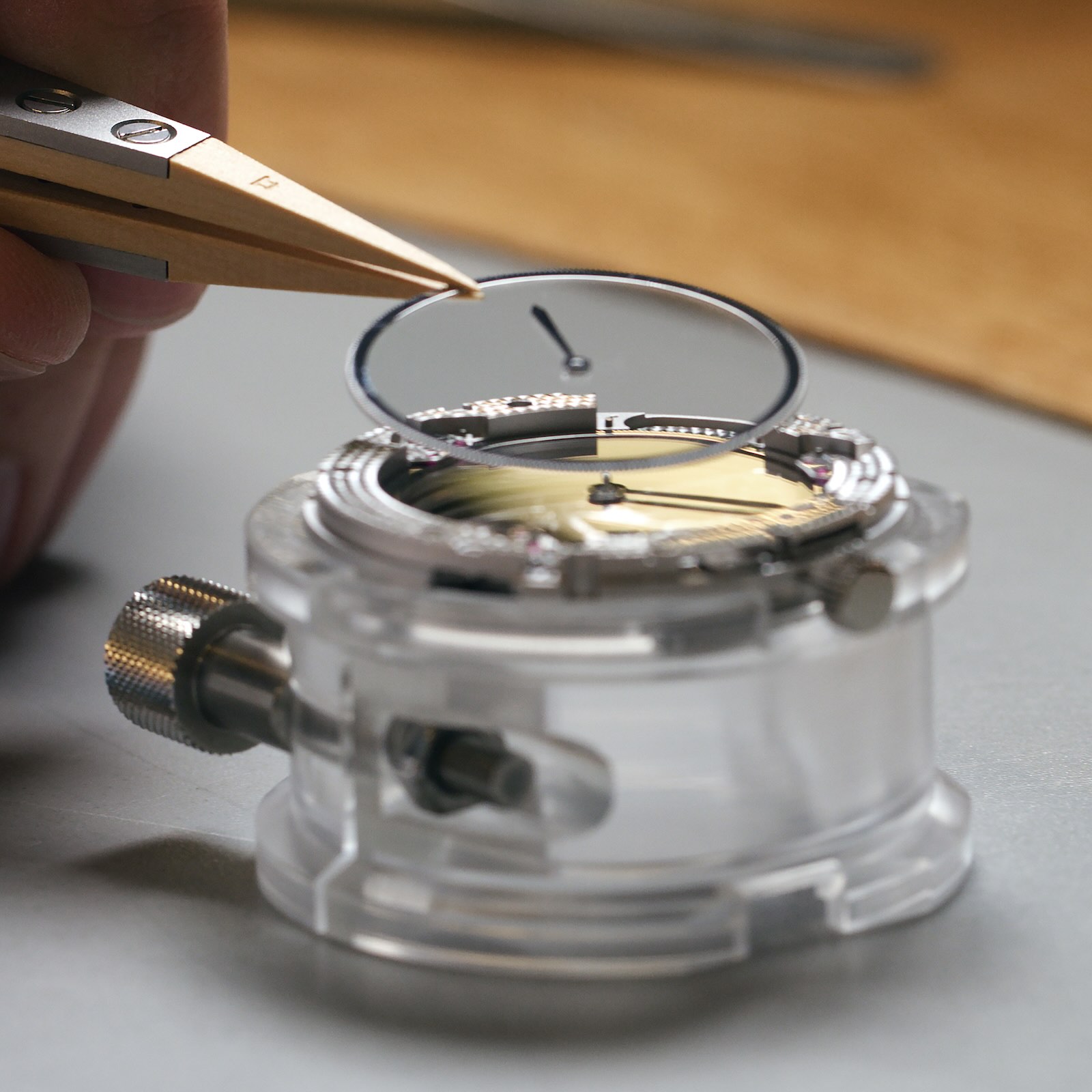
During the development phase, participants base their creations on a desk clock movement, exploring the theme through their unique perspectives. Finalists must deliver a finished prototype and a development logbook, then present their work to the jury at the Maison des Métiers d'Art in La Chaux-de-Fonds, Switzerland, in April 2026. Winners are announced at a ceremony in June 2026.
Mentorship and Evaluation Criteria
The jury evaluates candidates based on originality, concept feasibility, application quality, and motivation. Mentorship is a cornerstone of the program, providing invaluable guidance for those tackling a complete project for the first time. Mentors advise and support but never do the work for the candidates, ensuring that the final creation is truly the student's own.
Broader Educational Initiatives
Beyond the prize, Cartier invests heavily in horological education. The Cartier Watchmaking Institute, founded in 1993, trains apprentices across eight professions, including watchmaking operator, production watchmaker, micro-mechanic, and technical designer. To date, 180 apprentices have graduated, with over 50 currently working within the group. Cartier aims to triple the number of apprentices in the coming years, underscoring its dedication to preserving and transmitting savoir-faire.
Essential Skills for Future Watchmakers
According to Drici, the next generation must possess technical excellence, ingenuity, and a pioneer spirit, along with passion and drive. Savoir-faire—mastering the specific gestures of one's craft—is crucial, as is dexterity and excellent eyesight. Each métier demands unique techniques, from assembly and regulation for watchmakers to burin mastery for gem-setters, all honed through repeated practice and deep tool understanding.
Relevance After 30 Years
The prize remains essential because its purpose is unchanged: to stand alongside those who will build the watchmaking of tomorrow. In an era where specialized crafts are increasingly fragile, the prize encourages young talents, shares passion, and creates vocations. It also keeps watchmaking education alive and connected to contemporary challenges, from innovation to sustainability. The alumni community amplifies the prize's impact, inspiring and supporting each other long after the competition ends.
Opportunities Offered
Through the prize, Cartier offers unique opportunities for young watchmakers to gain recognition, mentorship, and a platform to showcase their creativity. It is more than a competition; it is a launchpad for careers, fostering the next generation of horological innovators.



What is the Cartier Prize for Watchmaking Talents of Tomorrow?
How to apply for the Cartier watchmaking prize?
Cartier Prize for Watchmaking Talents 2025 theme
Who are the jury members for the Cartier Prize?
What are the benefits of winning the Cartier Prize?
When was the Cartier Prize for Watchmaking Talents founded?
What is the theme for the 2025 Cartier Prize?
Who can apply for the Cartier watchmaking prize?
How are finalists selected for the Cartier Prize?
What does the Cartier Prize offer to winners?
How does Cartier support watchmaking education?
What skills are needed for modern watchmaking?
What is the Cartier Watchmaking Institute?
How long does the Cartier Prize competition last?
What is the significance of the Cartier Prize in horology?