In the realm of horology, a complication is any function beyond the simple display of hours, minutes, and seconds. These mechanical marvels range from the practical, such as date and day displays, to the highly complex, like perpetual calendars and minute repeaters. While modern smartphones can perform virtually any function, mechanical complications represent a pinnacle of human ingenuity and craftsmanship. This article explores the diverse world of watch complications, examining their utility, allure, and the ongoing debate among collectors about which are truly essential.
Defining Complications
Complications are often categorized by their level of interaction. Active complications, such as chronographs and GMT functions, require the wearer to engage with them regularly. Passive complications, like moonphase indicators or perpetual calendars, operate autonomously, providing information without direct manipulation. This distinction shapes how enthusiasts perceive and value these features.
Active Complications: Chronographs and GMT
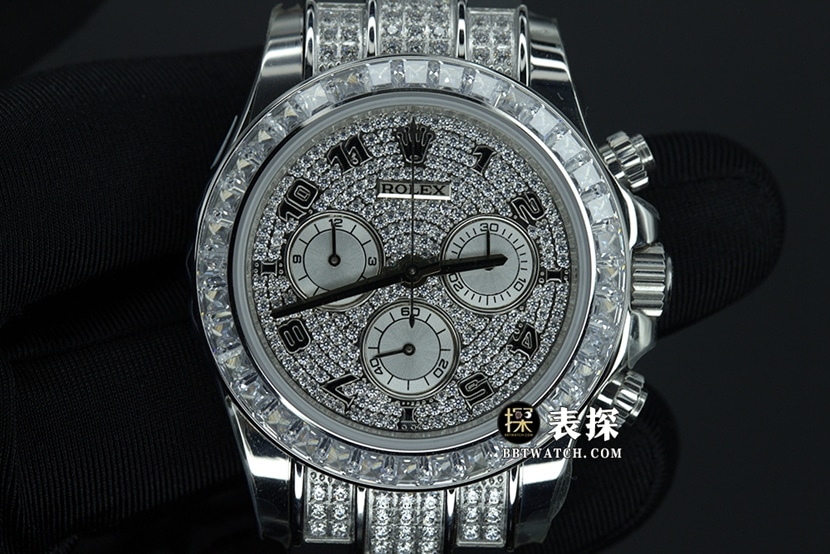
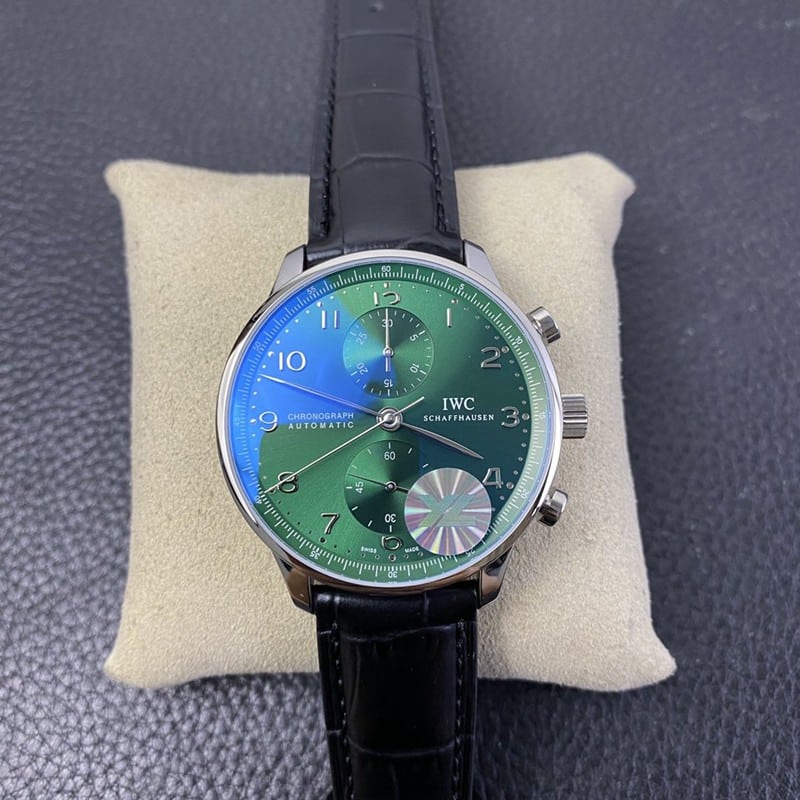
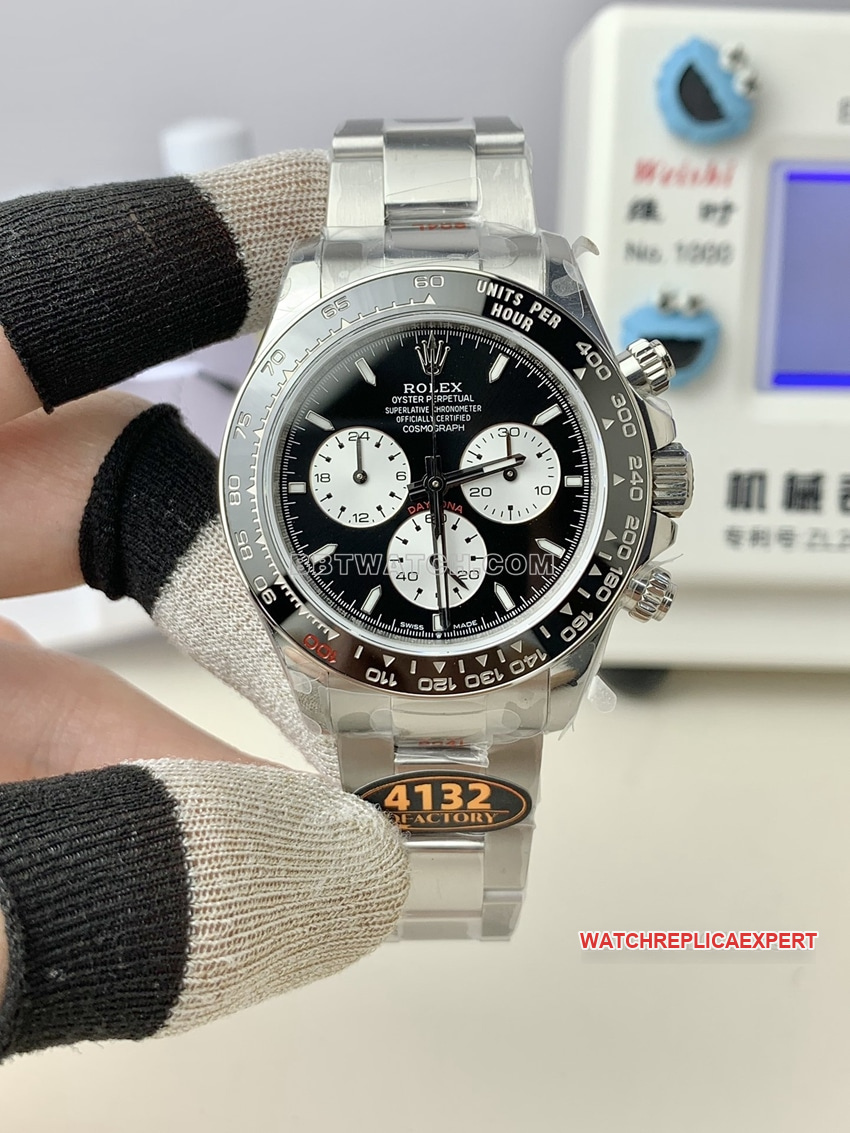
The chronograph is arguably the most popular active complication. It functions as a stopwatch, allowing precise timing of events. Whether used for racing, diving, or everyday tasks, the chronograph adds a layer of functionality that many find indispensable. Iconic models like the Omega Speedmaster and Rolex Daytona have cemented the chronograph's status in watch culture.
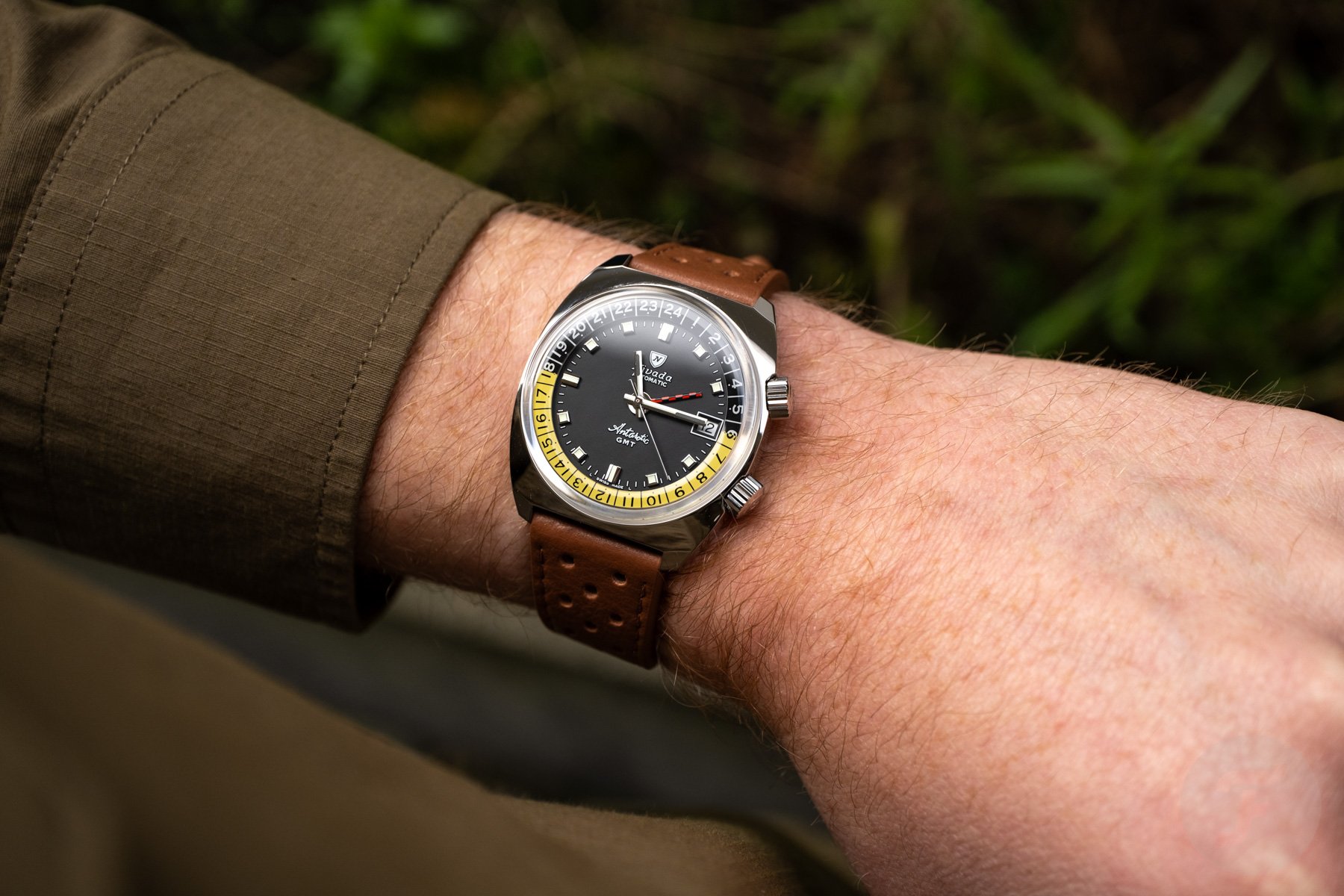
Similarly, the GMT complication, designed for travelers, displays a second time zone. Originally developed for pilots, it has become a staple for globetrotters. The Rolex GMT-Master, with its distinctive 24-hour hand and bezel, is a prime example. Modern interpretations, such as the Nivada Grenchen Antarctic GMT, blend vintage aesthetics with contemporary utility, appealing to collectors who value both form and function.
Passive Complications: Perpetual Calendars and Moonphases
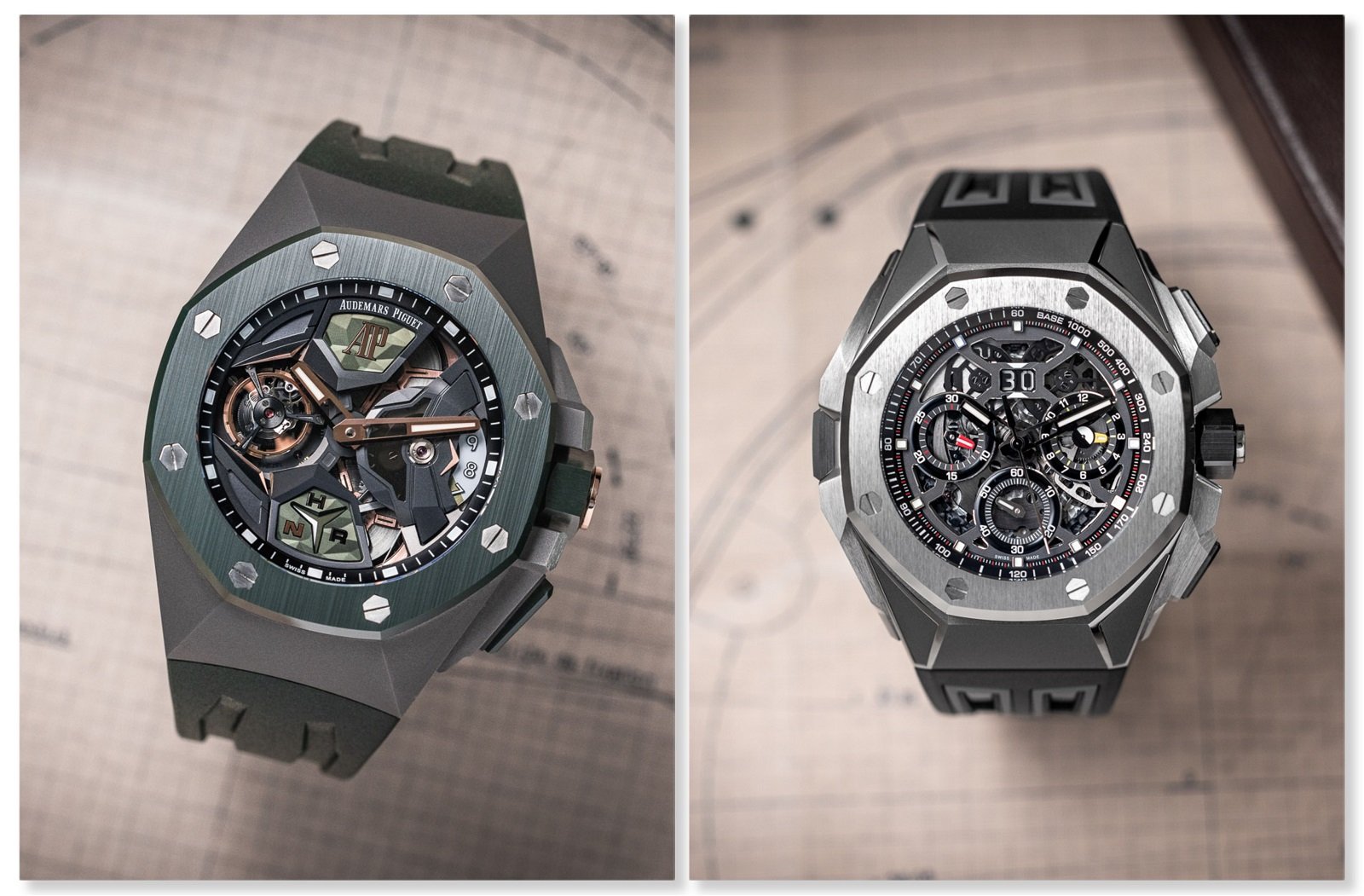
Perpetual calendars are among the most complex mechanical complications. They automatically adjust for months of varying lengths and leap years, requiring no correction until the year 2100. This intricate mechanism is a testament to watchmaking skill, with brands like Patek Philippe and Audemars Piguet producing revered examples. While not interactive, the perpetual calendar offers a sense of wonder and precision.
Moonphase indicators, which display the lunar cycle, are another poetic complication. Though of limited practical use, they add a touch of romance to a dial. The moonphase's celestial charm has made it a favorite among collectors who appreciate artistry over utility.
The Debate: Useful or Useless?
Opinions on complications vary widely. Some enthusiasts champion the chronograph for its hands-on engagement, while others question the necessity of a perpetual calendar in an age of digital devices. The GMT function is often praised for its practicality, especially for frequent travelers. Conversely, complications like the tourbillon, originally designed to counter gravity's effects on accuracy, are now seen more as status symbols than functional tools.
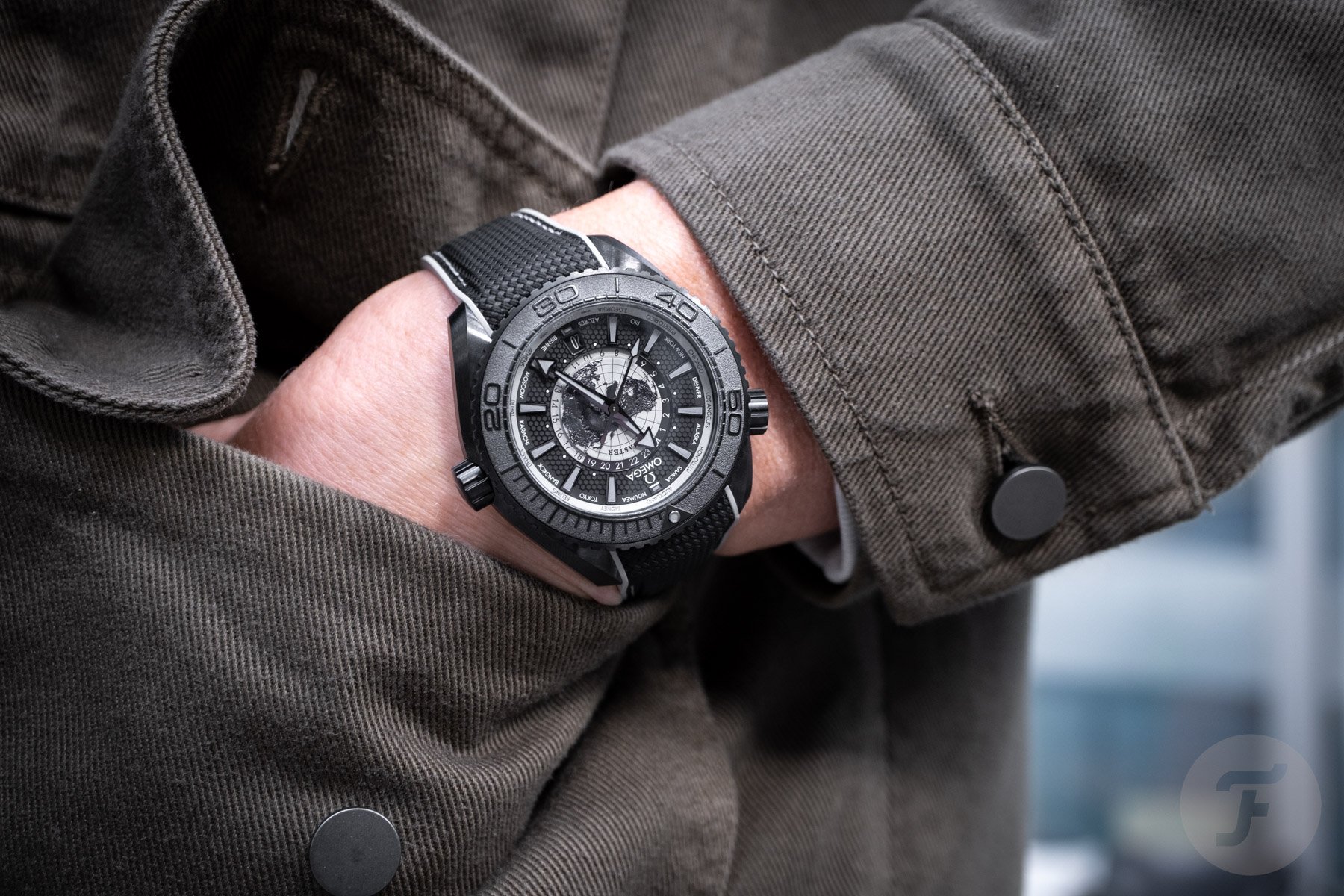
In a recent discussion among watch experts, the Omega Seamaster Planet Ocean Worldtimer was highlighted for its combination of a date and world-time function. This watch exemplifies how multiple complications can coexist harmoniously. Meanwhile, a simple time-only watch, like the VPC Type 37HW, was celebrated for its minimalist purity, reminding us that simplicity has its own appeal.
Combining Complications
Grand complications, which combine several functions, represent the zenith of horological achievement. These watches, often featuring chronographs, perpetual calendars, and moonphases, are marvels of engineering. Brands like Patek Philippe and Vacheron Constantin create such masterpieces, each requiring years of development. For collectors, owning a grand complication is a mark of distinction.
Choosing Your Complication
When selecting a watch, consider how you intend to use it. If you travel frequently, a GMT watch may be invaluable. If you enjoy timing activities, a chronograph offers practical utility. For those who appreciate mechanical artistry, a perpetual calendar or moonphase provides a daily connection to traditional watchmaking. Ultimately, the best complication is one that resonates with your lifestyle and passion.
Conclusion
Complications are more than mere functions; they are expressions of human creativity and technical prowess. Whether you prefer the active engagement of a chronograph or the quiet elegance of a moonphase, each complication tells a story. As technology continues to evolve, mechanical complications remain a testament to the enduring appeal of traditional craftsmanship. We encourage you to explore the vast array of complications and discover which ones captivate your imagination.


What are watch complications?
Which complications are most useful?
How do chronographs and GMT watches differ?
Why are perpetual calendars so complex?
What is the appeal of a moonphase indicator?
What is a watch complication?
What are the most common watch complications?
How does a chronograph work?
What is a GMT watch used for?
What is a perpetual calendar watch?
What is a moonphase complication?
What is the most complicated watch ever made?
Are watch complications worth the extra cost?
What is a tourbillon and why is it important?
How do I choose a watch complication?