CollectwatchesFusion of tradition and modernity
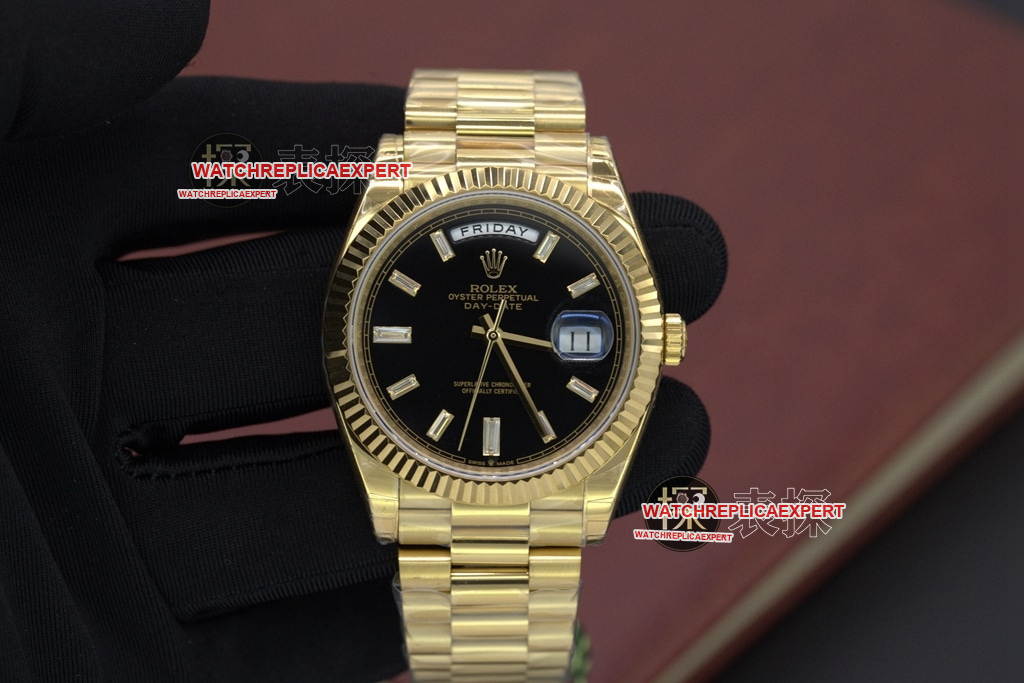
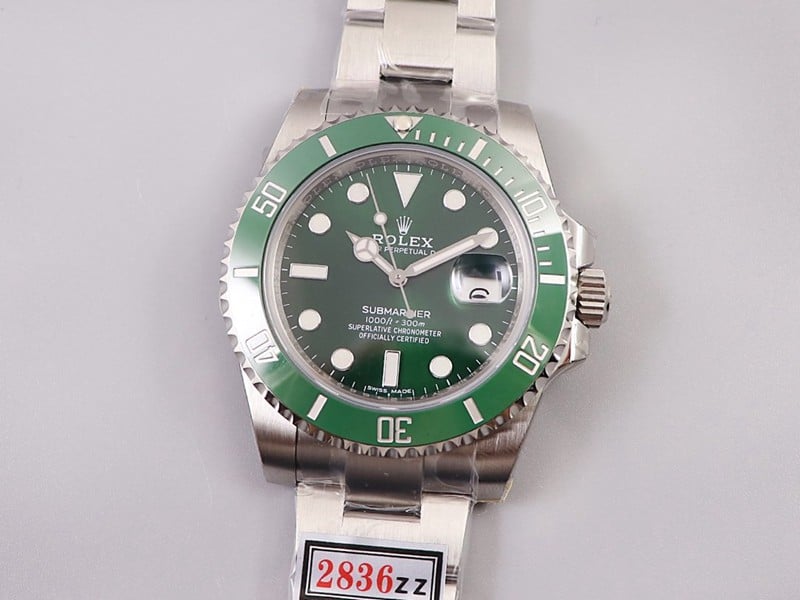
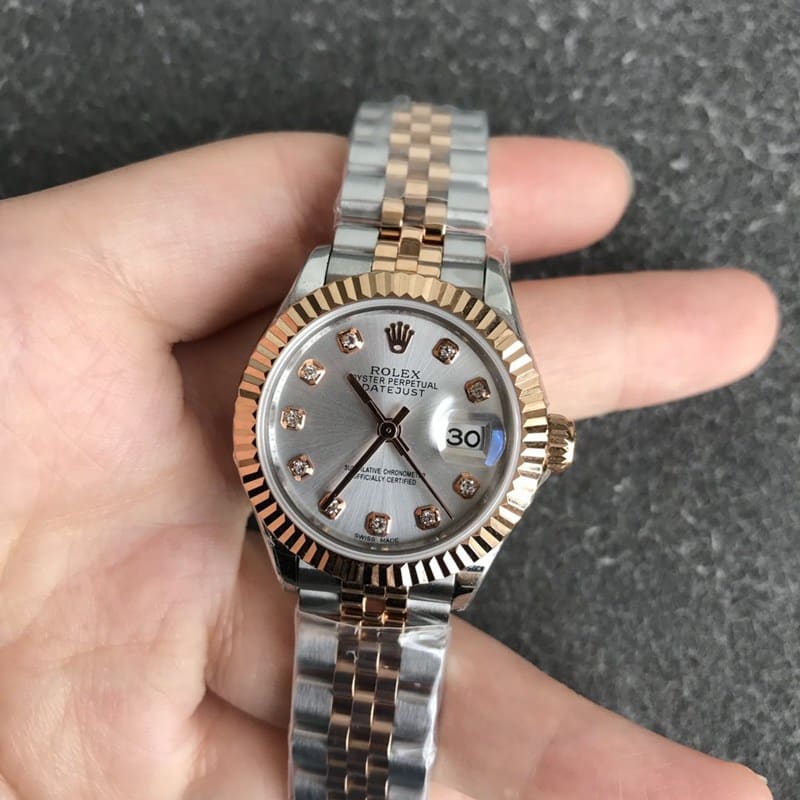
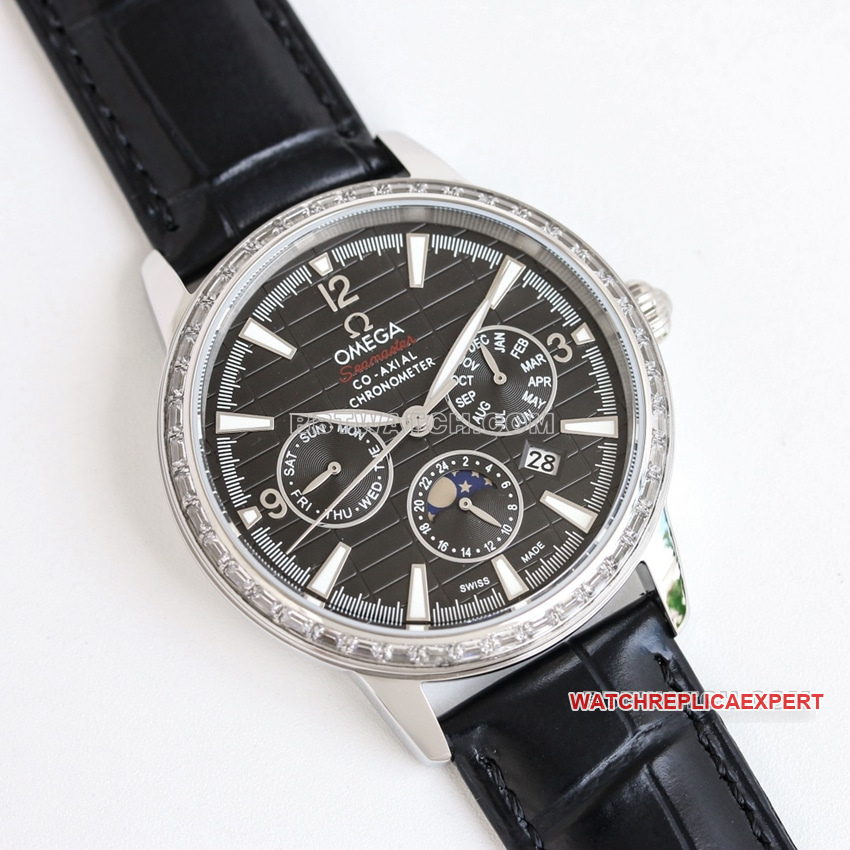
The invention and development of the clock dates back centuries, and it has undergone several important changes to adapt to modern times.In the mid-19th century, watches were introduced to make time more portable and were widely used in everyday life. Over time, the technology and design of watches has been updated and iterated, and has led to the emergence of many highly recognized brands in the industry, such as Omega and Rolex.
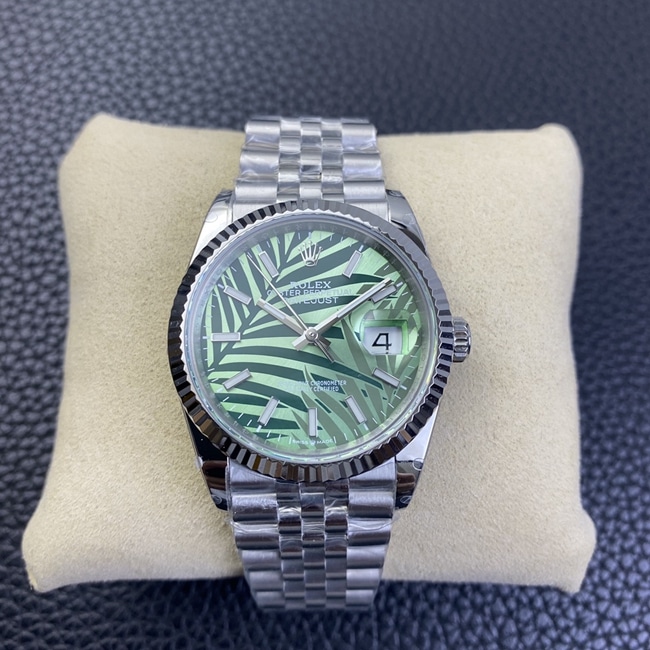
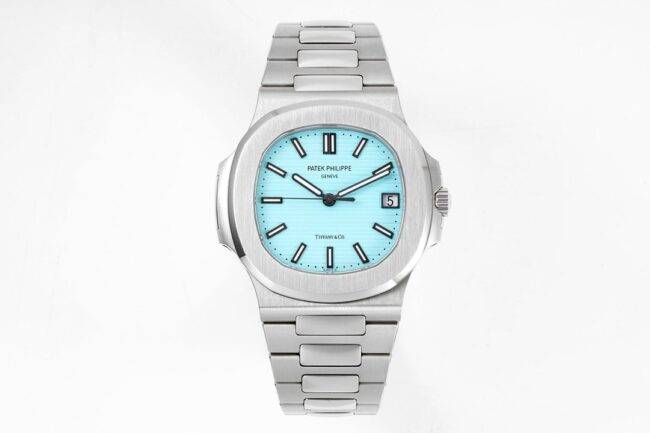
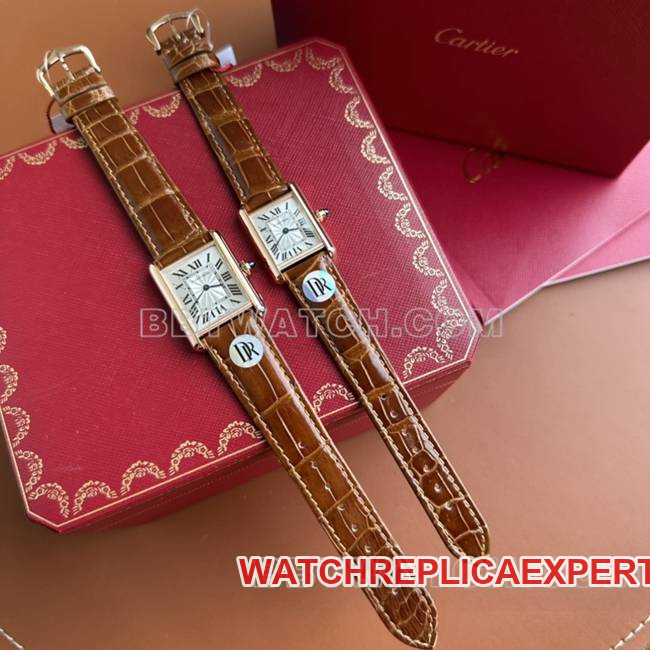
As consumers became dissatisfied with mass-produced and homogenized goods, the need to revive handmade watchmaking skills became higher. In this context, Collectwatches were created. A Collectwatch is a new watch that is recreated based on historical watch data and replication principles. This kind of watch has become a typical trend for enthusiasts, and it is an idealized accessory for fashion.
While Collectwatches originated in the watch collector community, production by modern watch manufacturers has made this market more popular. Manufacturers have studied and developed the features and pieces found on historical watches, but have also continued to incorporate modern techniques, materials, and features. In blending traditional and modern practices, the production model of a Collectwatch is not exactly the same as the prototypes of the past, and the techniques and materials it requires demand a higher level of sophistication.
This fusion has changed not only the appearance and mechanism of watch production, but also the method of building watches. The basis for the manufacture of Collectwatches is the exact replication of prototypes and the Collectof details. Traditional handcrafted watchmaking, such as grinding and polishing, is essential, but it also requires the support of modern technology, such as computer-aided design and industrialized processes.
In addition to changes in the production process, the fusion of tradition and modernity has also meant an increase in the functionality of watches. While traditional watches usually only have hour, minute and second functions, modern watches not only display calendars, timers and alarms, but also have advanced functions such as zero-degree straightedge and two-degree tar damping system. With the development of technology and the demand of consumers, the functions of Collectwatches are also evolving.
Collectwatches are a product of the times and the spirit of the times. It meets consumers' demand for more personalized, high-quality watches through the fusion of tradition and modernity. In the future, we can expect that watch manufacturing technology and design will continue to progress, bringing more surprises to consumers.
Collectwatches based on historical watch data
why handmade watchmaking matters for Collectwatches
how Collectwatches blend tradition and modernity
Omega Rolex influence on Collectwatch design
when did Collectwatches become popular with enthusiasts
what is a Collectwatch
Collectwatches and historical watchmaking principles
handmade watchmaking skills in modern watches
history of portable watches in the 19th century
how watches became everyday timekeeping tools
why consumers rejected mass-produced watches
Collectwatches versus mass-produced timepieces
Omega and Rolex watch industry history
evolution of watch technology and design
why watch enthusiasts choose Collectwatches
Collectwatches recreated from historical data
traditional watchmaking skills revived today
modern trends in Collectwatches
how Collectwatches preserve watchmaking traditions
development of watches through the centuries
why portable watches emerged mid-19th century
Collectwatches for historical watch enthusiasts
watch design changes from tradition to modernity
are Collectwatches based on original designs
handmade watchmaking revival and Collectwatches
Collectwatches, Handmade watchmaking, Omega watches, Rolex watches, Historical watches, Watch collectors, Modern watchmakers, Watchmaking skills, Historical watch data, Fashion accessory